
Soap scum and cloudy residue
Film on sinks, tubs, dishes or glasses can be consistent with hard water. Cleaning products and dishwasher performance can also affect residue, so appearance is a clue rather than a diagnosis.
Water Softening
Soap film, recurring deposits and hard-to-clean fixtures deserve a closer look. The Water Knight offers Water Softener solutions for Moore County homes and businesses, with equipment choices guided by your water concerns and everyday use.
Make an informed decision
A Water Softener is worth considering when mineral buildup and soap residue make everyday cleaning harder. The Water Knight offers water softener solutions for homes and businesses in Moore County, including properties using private wells or municipal water. The starting question is not which tank to buy, but whether measured hardness explains the problems you want to solve.
Water Softening targets hardness-related concerns. Less soap film and reduced mineral accumulation are different goals from treating an unusual odor, investigating discoloration or assessing drinking water safety. If several concerns occur together, Compare Water Treatment Options to understand why a softener may be only one part of a treatment plan.
The Water Knight offers Impression Plus Series® water softeners from Water-Right. System features include a backlit control display, metered regeneration that adjusts to water-use patterns and an optional cabinet design. Useful equipment discussions should connect those features to your household or business demand, available space and willingness to replenish salt—not simply the largest available capacity.
Recognize the pattern
Film on sinks, tubs, dishes or glasses can be consistent with hard water. Cleaning products and dishwasher performance can also affect residue, so appearance is a clue rather than a diagnosis.
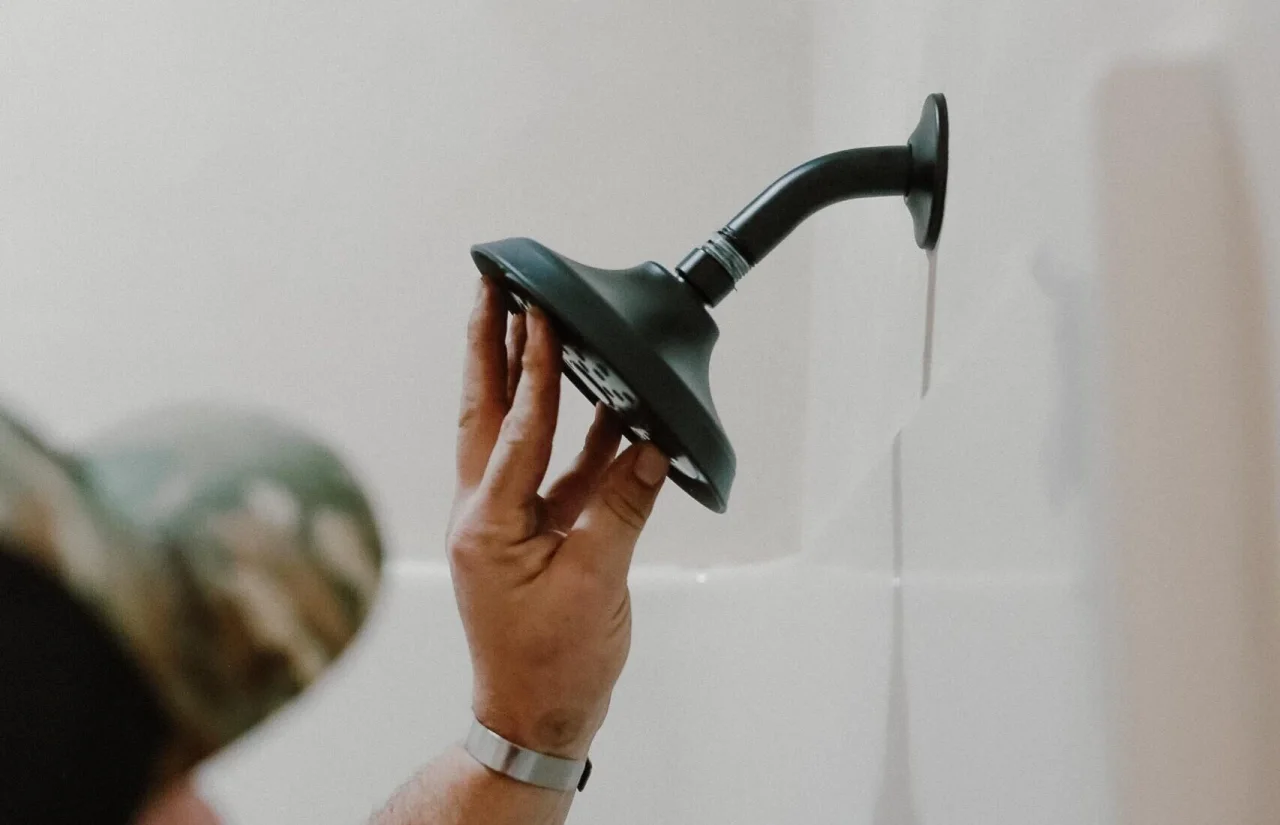
Recurring deposits around faucets and showerheads can suggest mineral accumulation. A water test is more useful than assuming every deposit or stain has the same cause.
A change in skin or hair feel may prompt a water-quality discussion, but it does not confirm hardness. Persistent irritation deserves appropriate health advice rather than relying on treatment equipment as a remedy.
Scale or repeated cleaning needs in water-using appliances may justify investigating hardness. An appliance fault or shortened service life alone cannot establish that hard water caused the problem.
A useful starting point
Note whether you use a private well or municipal supply. Gather recent test results and any information about existing filters or treatment equipment.
Record where residue appears, how quickly it returns after cleaning and whether the problem affects hot water, cold water or both.
Photograph the equipment area, pipe connections, model labels and surrounding access. Avoid moving heavy equipment or dismantling plumbing to obtain a picture.
Be ready to discuss household occupancy or business water use, periods of heavier demand and who would handle salt replenishment. These details help make equipment choices practical.
Understand the estimate
A new installation, an existing-unit assessment and a replacement are different scopes. Additional water concerns may require treatment beyond softening.
Equipment selection depends on the water assessment and expected use. Controls, configuration and any additional treatment affect the proposed parts and equipment.
Available space, accessible connections and the work needed to accommodate equipment can affect installation scope. Photos are useful, but may not establish every requirement.
Ask about salt use, maintenance requirements and service access alongside the initial proposal. An equipment comparison should account for ongoing ownership, not just installation.
Do not treat softer-feeling water as proof of safe drinking water. A softener is not a substitute for testing or for treatment selected to address a specific contaminant. If an official drinking water advisory applies to your supply, follow that advisory rather than relying on the softener.
Clear answers
Soap scum, recurring mineral deposits and cloudy residue are reasons to investigate, not confirmation. An appropriate water test can establish hardness and help determine whether softening matches your concerns.
Either supply may warrant softening if the water assessment supports it. The supply type alone does not establish hardness or determine the complete treatment needed.
Do not assume it will. Softening addresses hardness-related concerns; taste, odor and safety questions may require different testing and treatment. Describe each concern when discussing your options.
The Impression Plus Series® uses a meter and controls that adjust regeneration to water-use patterns. Capacity and settings still need to suit the property, and the system still requires salt replenishment and care.
Describe your water supply, symptoms, existing equipment and any test results. Include access or space concerns and whether you are considering a new installation or help with an existing unit. Water treatment visits are by arrangement.