Practical guides · local
Private Well Testing in Moore County: What to Test and When
Start with annual indicators, then build in broader North Carolina testing reminders and additional tests based on your well's history, surroundings and changes.
What you’ll learn
- Use annual bacteria, nitrate, pH and total dissolved solids testing as the starting calendar.
- Add broader chemical testing using North Carolina guidance and property-specific advice.
- Flooding, repairs, water changes and household changes can justify testing before the next annual reminder.
- Confirm the actual panel, laboratory and sampling instructions before collecting water.
- Choose treatment for the measured problem, not simply for the appearance of the water.
A useful private-well testing plan has two parts: routine checks and additional tests prompted by a specific concern. EPA recommends annual testing for bacteria, nitrate, pH and total dissolved solids, while North Carolina guidance adds broader chemical-testing reminders. Neither approach means every Moore County well needs an identical panel. Start with the calendar, then tailor it to your property, past results and household needs. (epa.gov)
1. Build an annual baseline, then add broader reminders
Put one recurring reminder on your calendar for total coliform bacteria, nitrate, pH and total dissolved solids. EPA and CDC recommend these tests at least annually. Ask whether the bacteriological analysis also reports E. coli or fecal coliforms. These indicators help identify possible contamination pathways; they are not an exhaustive search for every pathogen or chemical. (cdc.gov)
North Carolina's private-well fact sheet adds a broader schedule: annual total and fecal coliform testing; every-two-year testing for heavy metals, nitrate, nitrite, lead, copper and volatile organic compounds; and pesticides every five years, with annual testing for a specific pesticide known to be applied nearby. For this planning calendar, keep nitrate annual to follow the federal recommendation. Confirm the remaining chemical panel and intervals with local Environmental Health rather than assuming a package includes everything. (epi.dph.ncdhhs.gov)
A starting calendar to discuss with Environmental Health—not a substitute for property-specific advice.
| When | What to discuss | Applicability and limitation |
|---|---|---|
| Every year | Total coliform bacteria, nitrate, pH and total dissolved solids; discuss fecal coliform or E. coli reporting | Useful routine indicators, but not a complete chemical or pathogen analysis |
| Every two years | Broader chemical testing described in the North Carolina fact sheet | Confirm metals and VOC coverage; keep nitrate on the annual schedule |
| Every five years | Pesticides under North Carolina guidance | A known pesticide used nearby calls for annual testing for that substance |
| Whenever conditions change | Tests selected for the event, water change or nearby activity | Do not postpone investigation until the next routine testing date |
2. Establish what you know about this particular well
If you cannot find previous results, begin by identifying what has already been tested—and what has not. Moore County's water-analysis application distinguishes bacteria-only testing from a combined bacteriological, nitrate/nitrite and inorganic chemical analysis. Its inorganic list includes pH, hardness, arsenic, lead, iron, manganese, copper and other constituents. A package name alone is not enough to confirm coverage. (moorecountync.gov)
Make a short property history before choosing additional tests. Note known fuel tanks, spills, agricultural activity, waste-disposal sites, plumbing concerns and changes around the well. EPA recommends matching chemical testing to plausible sources rather than ordering expensive analyses without a reason. An old acceptable result is useful history, not proof of present conditions. (epa.gov)
3. Let property history guide additional chemical tests
Nearby activity is a reason to ask a focused question, not evidence that your well is contaminated. EPA identifies intensive agriculture as a reason to consider nitrate, nitrite, pesticides and coliform testing. A nearby landfill, factory, gas station or dry-cleaning operation can prompt discussion of volatile organic compounds and other targeted chemistry. The relevant substances depend on the activity and site. (epa.gov)
Bring concrete details: what the activity is, where it occurred, whether there was a documented spill and whether an agency has issued testing advice. Avoid treating all of Moore County as one groundwater condition. For suspected plumbing-related lead, testing at the household faucet matters; results describing a wider water system do not establish conditions at your tap. (epa.gov)
4. Do not wait for the calendar after a significant event
Flooding, significant land disturbance, well-system repair and a change in taste, color or odor call for testing outside the routine calendar. CDC also identifies pregnancy and a child moving into the home as reasons to test. Tell the health department what happened so the testing addresses the concern rather than simply repeating the last order. (cdc.gov)
If floodwater reached the well, do not drink or wash with that water while seeking inspection and testing guidance. Stay away from flooded pump equipment because of electrical hazards. Our guide to well water after flooding or a power outage explores those situations separately; the event, damage and potential entry of contamination matter when deciding what comes next. (epa.gov)
5. Ask for local guidance before ordering a panel
Moore County Environmental Health provides a water-testing application through its Septic / Wells page. The application lists its Environmental Health number as (910) 947-6283 and states that the application and fees must be completed before a visit. Confirm current arrangements directly before planning a sample collection. (moorecountync.gov)
Use the conversation to define the scope, not just request “a water test.” The following questions can help you compare proposals and avoid paying for an analysis that misses your concern. The Water Knight offers Water Testing for local homes and businesses; discuss your observations and the proposed assessment before proceeding.
6. Protect the value of the sample
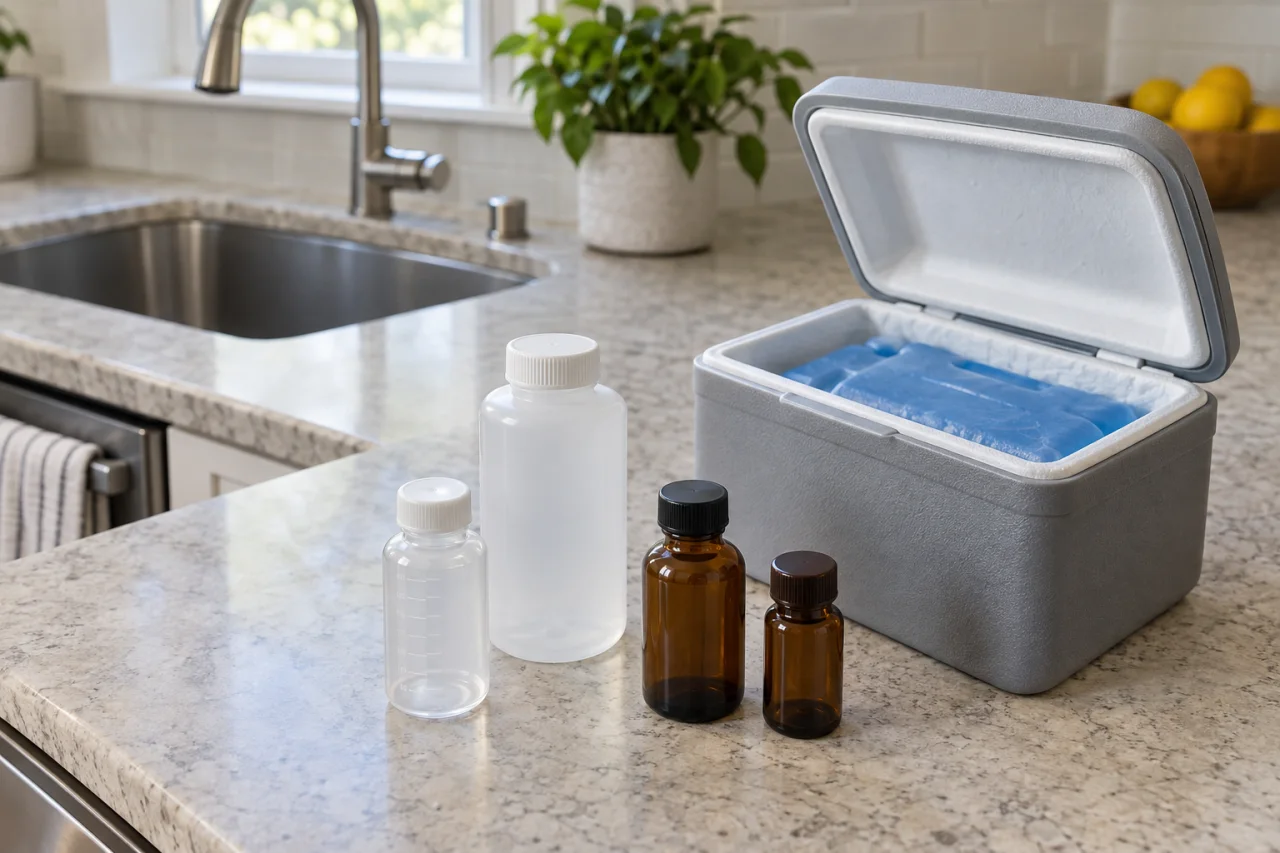
For laboratory analysis, use a state-certified drinking-water laboratory. EPA advises using the containers supplied by the laboratory or sampling service and following its collection, preservation and handling instructions. Bacteria sampling requires sterile containers and collection conditions; a rinsed household jar is not an equivalent substitute. (cdc.gov)
Do not improvise a universal flushing routine: different sampling questions can require different instructions. Ask about collection location, delivery arrangements and any recent treatment or disinfection before sampling. For more context, understanding the testing steps can help you connect the sample location to the question you want answered. (epa.gov)
- Which contaminants does the proposed panel include, and which require separate testing?
- Which state-certified laboratory will analyze the samples?
- Does the property history suggest any additional tests?
- Which tap or sampling point should be used for each question?
- What does the quote include: collection, laboratory analysis and results discussion?
- Who should interpret a health-related finding, and when might another sample be needed?
7. Separate health questions from staining and treatment choices
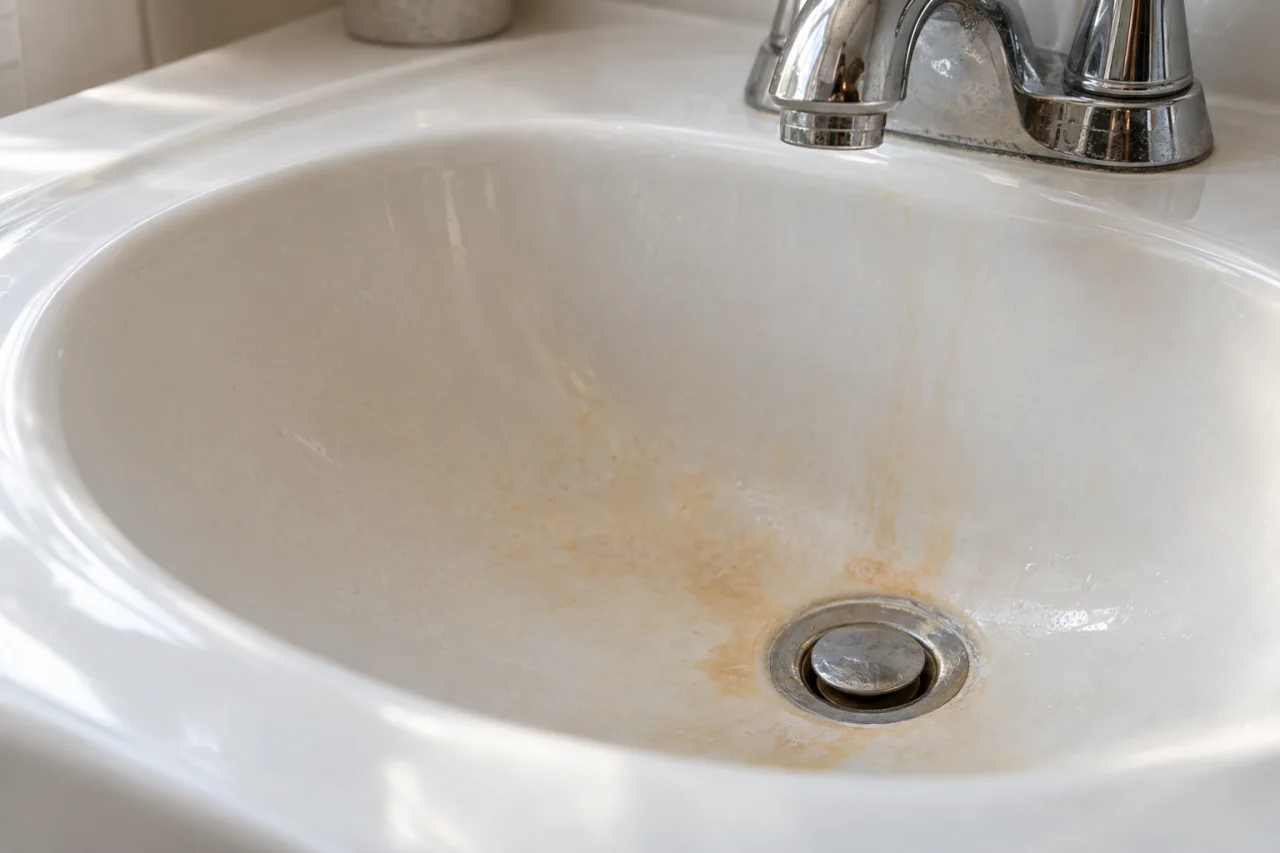
Staining, scale and odor deserve attention, but they are clues rather than diagnoses. EPA associates fixture staining with testing for iron, copper and manganese, and scaly residues with hardness. Health-related testing still belongs in the plan even when the visible complaint seems to be a maintenance issue. (epa.gov)
If results identify harmful germs or chemicals, contact Environmental Health for interpretation and next steps; use bottled water or another safe source when advised. Do not assume boiling resolves a chemical problem—North Carolina specifically warns that boiling does not remove nitrate. (cdc.gov)
Then compare water treatment options against the actual finding. A softener primarily addresses hardness minerals and does not disinfect water. UV treatment addresses germs, not chemicals. Check the particular product's claims rather than choosing by equipment category alone, and discuss maintenance and follow-up testing before purchase. (cdc.gov)
8. Keep a record and revisit the plan
Keep laboratory reports together with sampling locations, dates, treatment changes and well-maintenance records. Regular testing creates a history that can help investigate future changes. At the annual reminder, also review whether anything around the property has changed since the previous sample. (epa.gov)
Water quality is only part of well care. EPA recommends checking exposed components for damaged casing, a broken or missing cap and problems with surface seals. Keep runoff directed away from the well and avoid handling fuels, pesticides or other pollutants nearby. Testing can reveal a problem, but it does not replace protecting the water source. (epa.gov)
Questions & answers
Does clear, good-tasting well water still need testing?
Yes. Some potentially harmful contaminants cannot be seen, smelled or tasted. Routine testing provides information that appearance cannot, and establishes a record for comparison when conditions change. (epi.dph.ncdhhs.gov)
Why do North Carolina and federal testing calendars differ?
They organize testing differently. North Carolina's fact sheet places nitrate in a two-year chemical-testing group, while EPA and CDC recommend nitrate annually. The practical calendar here uses annual nitrate testing and retains broader North Carolina chemical-testing reminders. (epi.dph.ncdhhs.gov)
Is a bacteria test a complete water test?
No. A bacteriological analysis does not answer whether arsenic, lead, nitrate or other chemicals are present. Moore County lists bacteriological, nitrate/nitrite and inorganic chemical analyses separately, so ask exactly which substances your requested testing includes. (moorecountync.gov)
Should I test when someone becomes pregnant or an infant comes home?
Yes. Seek guidance about nitrate testing rather than waiting for the annual reminder. EPA recommends testing during early pregnancy, before bringing an infant home and again during the baby's first six months. Boiling does not remove nitrate. (epa.gov)
Does having a filter mean I can stop testing?
No. Treatment systems address different contaminants; owning a filter does not establish what is in the water or whether that device addresses it. Use testing to guide system selection, and ask about follow-up sampling and maintenance for the specific equipment. (cdc.gov)
Sources & further reading
- EPA: Protect Your Home's Water
Annual testing indicators, event-triggered testing, condition-specific additional tests, well protection and flood precautions.
- NCDHHS: Private Well Water and Your Health
North Carolina testing intervals, contaminants that may not be detectable by the senses, pregnancy-related nitrate guidance and the limitation of boiling.
- CDC: Guidelines for Testing Well Water
Annual indicators, bacterial indicator interpretation, state-certified laboratory use, additional testing triggers and health-department guidance.
- Moore County Environmental Health: Septic / Wells
Local private-well program and access to Moore County's water-testing application.
- Moore County: Application for Well Inspection/Water Analysis
County testing categories, listed inorganic analytes, Environmental Health telephone number and application requirements. No published prices are reproduced.
- EPA: Home Water Testing Facts
Sample containers and handling, property-specific testing, household faucet lead testing, infant-related nitrate timing and the value of a testing history.
- CDC: About Home Water Treatment Systems
Matching treatment to contaminants, checking specific product claims and distinguishing softening from UV disinfection.
Prepared and automatically checked on . Conditions, costs and requirements can change. Ask about the details that apply to your situation.
Continue reading
Helpful next reads
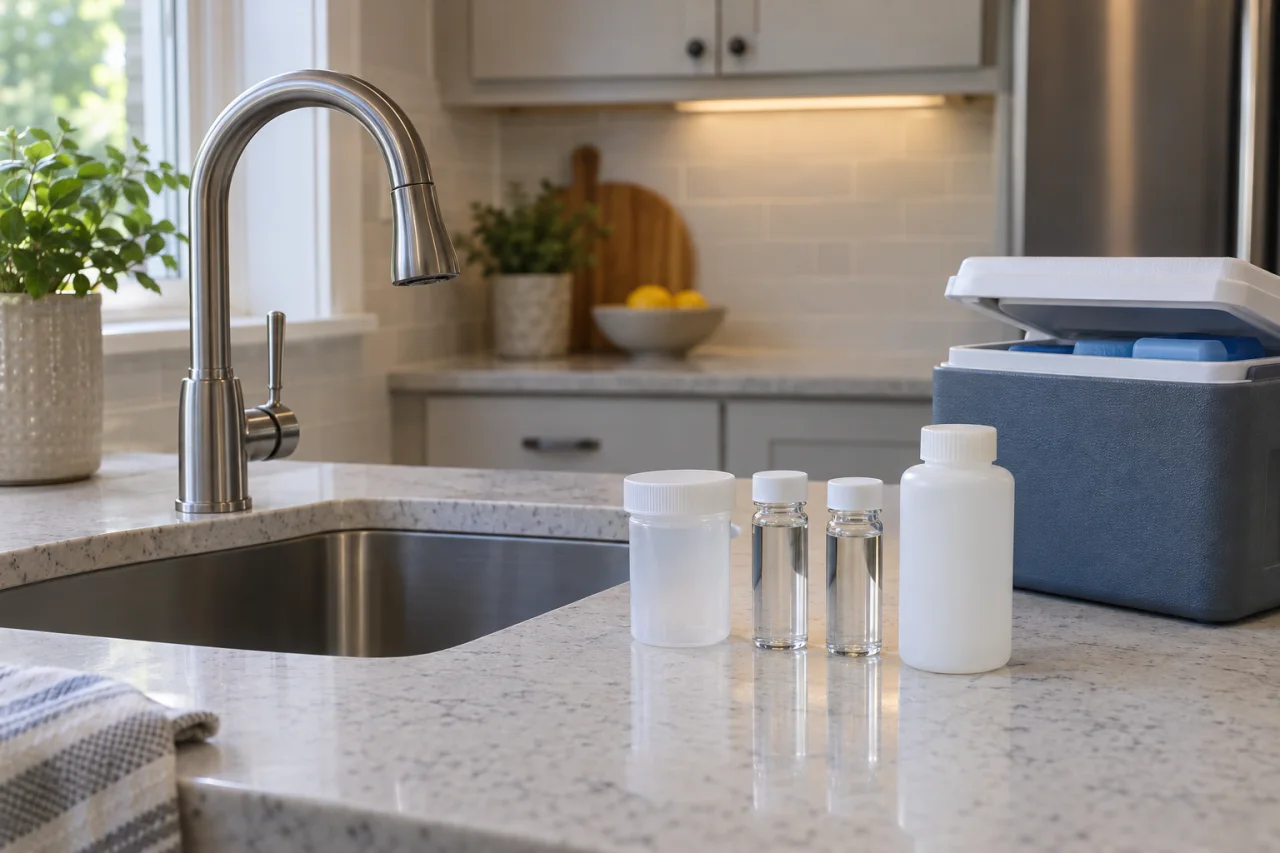
From Water Sample to Treatment Plan: Understanding the Testing Steps
A useful water test starts before the bottle is filled. Learn how panel selection, sampling conditions and laboratory reporting shape a practical treatment decision.
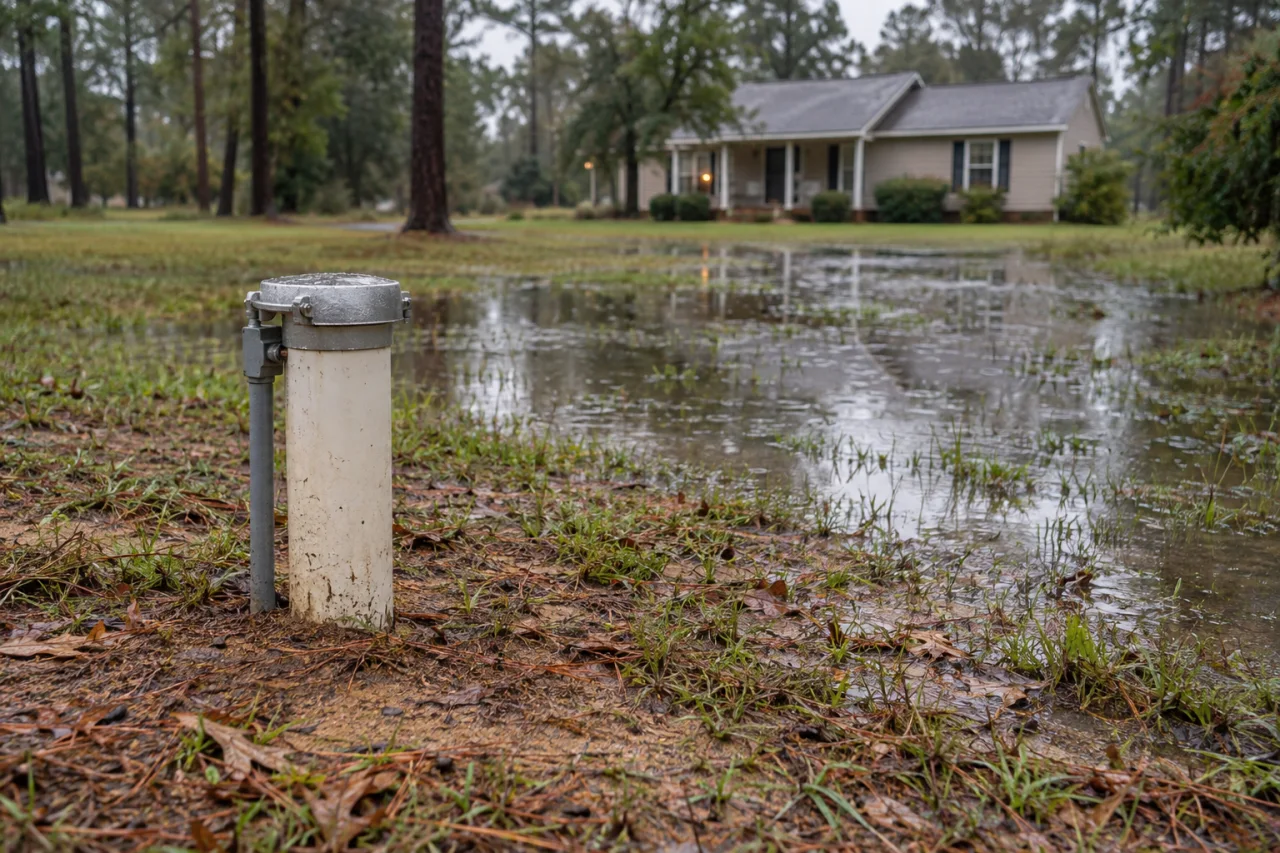
What Should You Do With Well Water After Flooding or a Power Outage?
A working pump does not establish water safety. Separate power loss from flood exposure, choose temporary water carefully, and use appropriate assessment and testing before resuming use.

How to Read Your Moore County Water Quality Report
Your utility report is a useful starting point—not a test of every faucet. Learn how to find the right Moore County report, interpret its numbers and decide what needs a closer look.