Practical guides · process
From Water Sample to Treatment Plan: Understanding the Testing Steps
A useful water test starts before the bottle is filled. Learn how panel selection, sampling conditions and laboratory reporting shape a practical treatment decision.
What you’ll learn
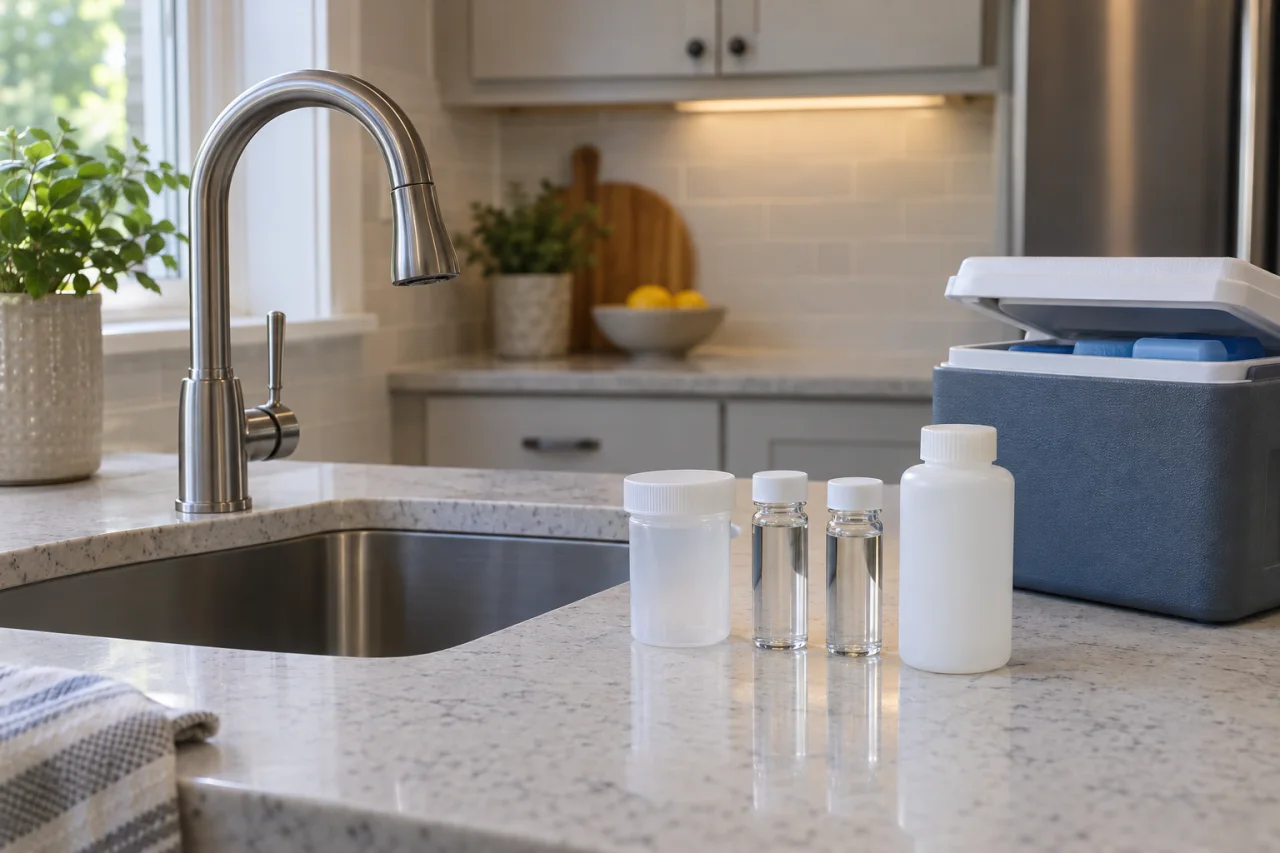
- Choose the test panel before collecting water; a package name does not tell you every analyte included.
- An on-site screening is not a substitute for every laboratory analysis. Ask what each result establishes.
- Follow test-specific collection and transport instructions, especially for bacteria and first-draw lead.
- Read units, reporting limits and qualifiers before comparing results.
- Match treatment claims to the findings and include maintenance and follow-up testing in the decision.
The most useful water test answers a specific question—not simply whether water looks clear. Choosing treatment means understanding what was tested, how the sample was collected and what the reported result can establish. CDC recommends testing before selecting equipment for the chemicals or germs of concern. (cdc.gov)
For West End and Moore County property owners considering Water Testing, the following steps explain a typical path from an initial concern to a treatment discussion. They also highlight questions worth asking before purchasing equipment.
1. Choose a panel around the question
Start by describing the decision you need to make: investigating a health concern, explaining staining, measuring hardness or checking existing treatment. These are different questions, and a panel suited to one may not answer another. CDC recommends testing and selecting treatment for the particular chemicals or germs of concern. (cdc.gov)
For a private well, review previous results, repairs, flooding and changes in water quality. North Carolina recommends regular well testing and additional testing after repairs or flooding. Our guide to private well testing in Moore County provides a useful starting point for that discussion; location alone does not establish what is in your water. (ncpublichealth.com)
Ask for the actual analyte list rather than relying on a package name such as “complete.” North Carolina’s State Laboratory lists inorganic well-panel parameters separately from its microbiological services. Confirm which requested tests are included and which require separate arrangements. (dph.ncdhhs.gov)
2. Know what an on-site screening can establish
A field measurement and a laboratory analysis serve different purposes. Some measurements belong on site: EPA’s sampling guide, for example, calls for immediate on-site analysis of disinfectant residuals. A quick result can be useful without being a comprehensive assessment of drinking-water quality. (epa.gov)
For laboratory testing, ask who will analyze the samples and whether that laboratory is certified for the requested drinking-water analyses. CDC directs homeowners to health departments for help finding state-certified laboratories. A treatment consultation should distinguish field findings from results still awaiting laboratory analysis. (cdc.gov)
North Carolina’s State Laboratory accepts private-well coliform samples through local health departments. Do not assume a homeowner-collected sample can be dropped off there directly; establish the submission route before collecting anything. (slph.dph.ncdhhs.gov)
3. Follow instructions for each contaminant
Sampling instructions are part of the test, not optional housekeeping. The bottle, faucet preparation and water-use conditions help determine what the result represents. A first-draw lead sample and a flushed sample answer different questions; collecting one using the other’s instructions can undermine the investigation. (agsci.psu.edu)
The examples below explain why instructions differ. They are not a substitute for the receiving laboratory’s directions, which control the actual collection method. (epa.gov)
Why there is no universal water-sampling method
| Analysis | Collection consideration | Applicability and limitation |
|---|---|---|
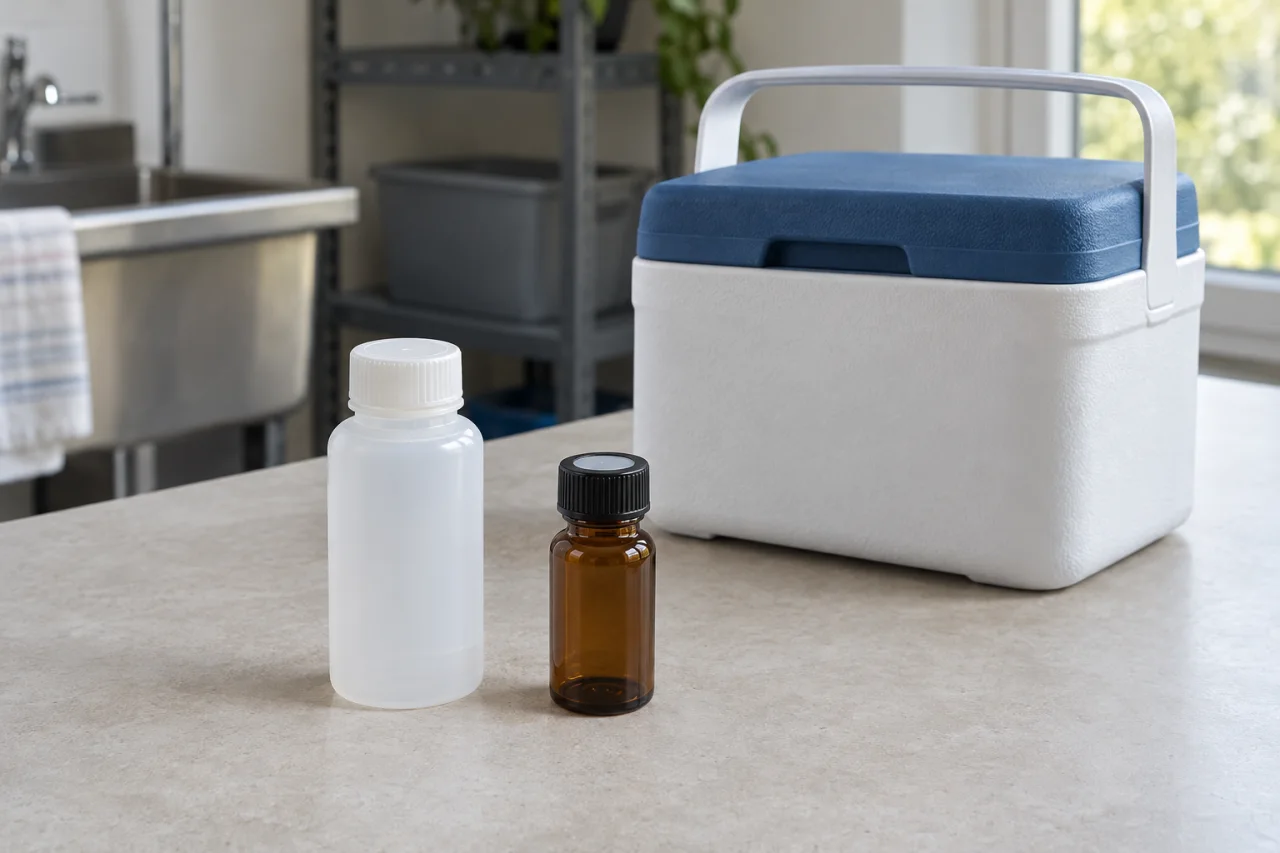
| Bacteria | Sterile container; avoid touching the inside of the bottle or cap. | Accidental contamination can affect the finding; use the laboratory’s collection and delivery instructions. |
| First-draw lead | Collect after the specified period without water use, before flushing. | Represents the specified standing-water condition, not every use of that faucet. |
| Metals | The supplied bottle may contain preservative and must not be rinsed when it does. | Do not substitute a household container or improvise preservative handling. |
| Volatile organic compounds | Special glass vials and bubble-free collection may be required. | An ordinary bottle or incorrect filling technique may not meet the analytical method. |
4. Plan the sampling point and delivery together
Before collection, agree on what each location represents. “Kitchen tap” is incomplete if an under-sink filter treats that faucet. Record existing treatment so the laboratory result is not mistaken for untreated source water. EPA’s guide emphasizes identifying sampling locations, documenting collection and following laboratory instructions. (epa.gov)
Transport also matters. North Carolina’s microbiology instructions require proper sample identification and reject drinking-water samples arriving after the specified holding period. Its nitrate/nitrite service has different cooling and analysis requirements. Arrange delivery before opening the bottles rather than collecting first and sorting out shipping later. (slph.dph.ncdhhs.gov)
- Confirm who is collecting the sample and which faucet or sampling point will be used.
- Identify whether the sample represents untreated water, treated water or a drinking-water outlet.
- Have the correct containers, transport supplies and receiving arrangements ready.
- Record the collection location, date and time accurately.
5. Read the units before judging the number
Read across each laboratory row: analyte, result, unit, reporting limit and any qualifier. A number without its unit is incomplete. Milligrams per liter, micrograms per liter and nanograms per liter describe very different concentrations. One milligram per liter equals 1,000 micrograms per liter, so compare values only after matching units. (michigan.gov)
“ND” or a less-than sign does not prove absolute absence. It means the substance was not reported at or above the applicable limit. A method detection limit and a reporting limit are not interchangeable: ask the laboratory to explain its terminology and any estimated or qualified result. (pa.gov)
Also distinguish an actual negative result from an analyte that was never tested. Keep the complete report, including its legend and comments, rather than only a summary or highlighted page. (pa.gov)
6. Separate health findings from nuisance problems
A report may reference an enforceable public-water maximum contaminant level, a non-enforceable health goal or a secondary benchmark addressing taste, appearance or odor. These have different meanings. Public-water regulatory limits should not be described as though they automatically impose the same compliance obligations on a private homeowner. (pa.gov)
For a private well, ask the local health department to help interpret health-related findings and identify appropriate next steps. North Carolina publishes well-water result guidance and explains the State Laboratory submission pathway through local health departments. (epi.dph.ncdhhs.gov)
If a result raises a possible immediate health concern, seek prompt public-health guidance about water use while the finding is evaluated. Do not treat a favorable result for one analyte as clearance for everything else on—or missing from—the panel. (pa.gov)
7. Connect each finding to a treatment function
Once the findings are understood, compare water treatment options by the specific problem they address. CDC explains that softeners principally address hardness, ultraviolet systems address germs under suitable conditions, and other technologies target different contaminants. No single treatment category should be assumed to solve every result. (cdc.gov)
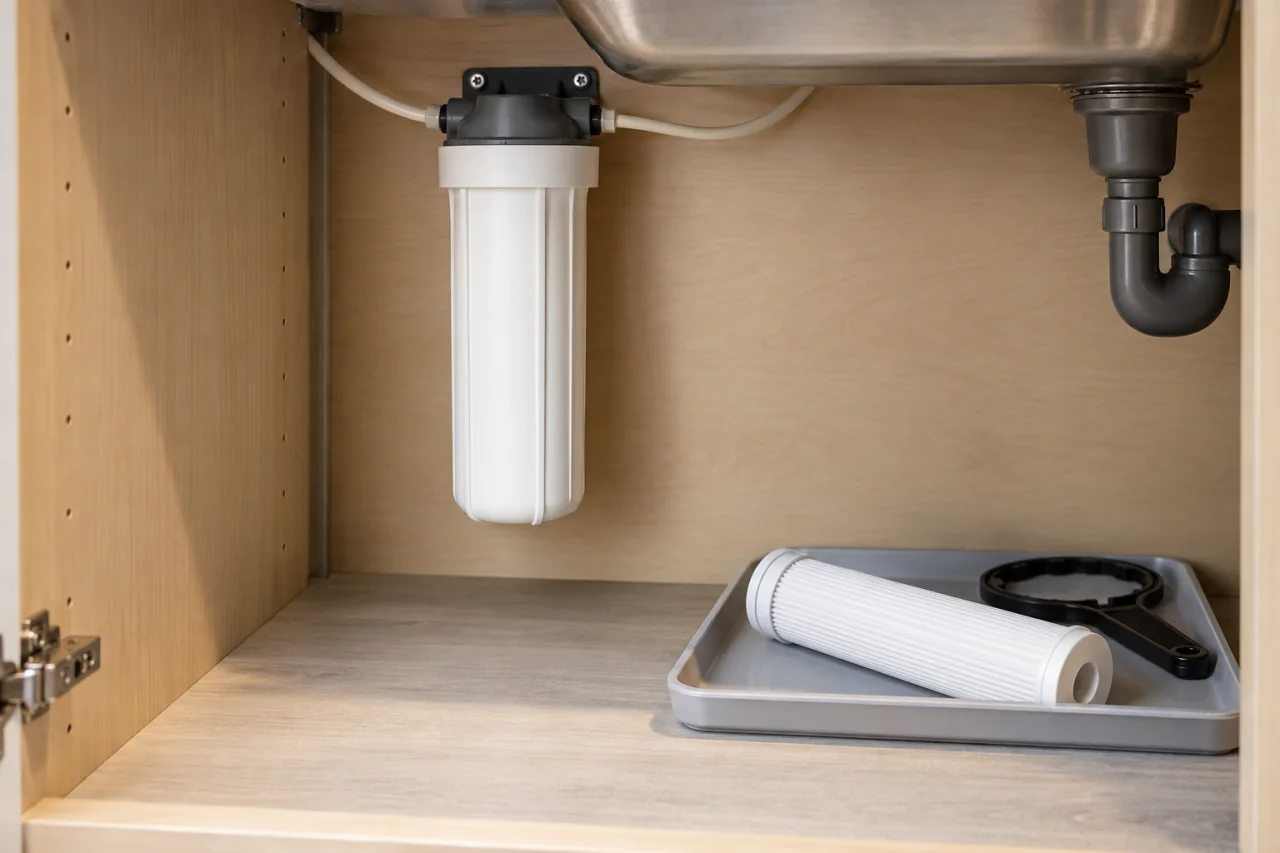
The choice between whole-house or under-sink filtration also depends on where treated water is needed. Point-of-use equipment serves a particular outlet; point-of-entry equipment treats most or all incoming household water. Ask why the proposed location fits the identified concern rather than assuming more equipment is always better. (cdc.gov)
Request the exact model’s contaminant-reduction claims, certification information and replacement requirements. A certification mark alone is not a universal removal claim. Have the proposal connect each relevant finding to a treatment function—and explain what remains untreated. (cdc.gov)
8. Include verification and maintenance in the plan
Installation should not end the discussion. CDC emphasizes maintaining treatment equipment and replacing filters according to manufacturer instructions. Before choosing a system, ask what routine care involves, how service access will be preserved and what ongoing supplies will be needed. (cdc.gov)
Agree on follow-up testing appropriate to the concern, including sampling locations and timing. Keep original and subsequent reports together. For private wells, continue the recommended testing schedule and reassess after events such as flooding or well repairs; treatment does not eliminate the need to monitor the supply. (ncpublichealth.com)
The Water Knight offers Water Testing for homes and businesses in West End and Moore County. Bring previous reports, details of existing equipment and your priorities to the discussion. Water treatment visits are by arrangement.
- Which laboratory findings justify the proposed equipment?
- What specific contaminants does the selected model address?
- What filters, media or other components need ongoing replacement?
- How will treatment performance be checked after installation?
- Which future changes should trigger another test?
Questions & answers
Can one bottle of water cover every test?
Do not assume so. Bacteria, metals and organic chemicals can require different containers, preservatives and handling. Ask the laboratory for the complete kit and instructions before collection. Combining samples or substituting a household bottle can make a sample unsuitable. (epa.gov)
Should I run the faucet before collecting a sample?
Only as directed for that test. Some analyses use flushed water, while first-draw lead sampling intentionally captures water after a specified period without use. Tell the laboratory what you want to investigate and follow its sampling sequence. (agsci.psu.edu)
Does a negative bacteria test mean no other contaminants are present?
No. North Carolina’s routine State Laboratory bacteriological analysis examines coliform indicators, including E. coli. It is not a test for metals, chemicals or every disease-causing organism. Read the list of analyses actually performed before drawing broader conclusions. (slph.dph.ncdhhs.gov)
Does a nondetect result mean the contaminant concentration is zero?
No. It means the laboratory did not report a measurable amount at the applicable limit. Review the reporting limit and report legend, and ask whether the method was sensitive enough for the comparison you need. (michigan.gov)
Will a filter that improves taste also remove bacteria?
Not necessarily. CDC notes that most pitcher and refrigerator filters are not designed to remove germs. Choose equipment by its specific reduction claims and maintenance requirements, not by taste improvement alone. (cdc.gov)
Sources & further reading
- CDC: About Home Water Treatment Systems
Treatment selection by contaminant; distinctions among softening, UV and other technologies; point-of-use versus point-of-entry treatment.
- CDC: About Choosing Home Water Filters
Finding state-certified laboratories, checking specific filter claims, limitations of common filters and ongoing maintenance.
- EPA: Quick Guide to Drinking Water Sample Collection, Second Edition
Test-specific bottles, preservatives, field measurements, sample identification and collection differences used in the comparison table.
- Penn State Agricultural Analytical Services Laboratory: How to Collect a Water Sample
Differences between first-draw lead, bacteria and other sampling instructions; avoiding bottle and cap contamination.
- North Carolina Public Health: Well Water Frequently Asked Questions
North Carolina private-well testing frequency and reasons to retest following repairs or flooding.
- North Carolina State Laboratory of Public Health: Scope and Guide to Laboratory Services
State Laboratory inorganic well-panel contents, submission through local health departments and nitrate/nitrite handling requirements.
- North Carolina State Laboratory: Environmental Microbiology
Scope of routine coliform analysis and the local-health-department submission route for private-well samples.
- North Carolina State Laboratory: Microbiology Sample Collection and Shipment
Microbiology sample identification, minimum sample requirements and holding-time limitations.
- https://www.michigan.gov/mdhhs/-/media/Project/Websites/mdhhs/Safety-and-Injury-Prevention/Environmental-Health/Care-for-MI-Drinking-Water/Documents/How-to-Read-Your-Drinking-Water-Lab-Results-Table-FINAL.pdf
Guidance referenced in this article on From Water Sample to Treatment Plan: Understanding the Testing Steps.
- https://www.pa.gov/content/dam/copapwp-pagov/en/health/documents/topics/documents/environmental-health/How%20to%20Interpret%20Water%20Test%20Results.pdf
Guidance referenced in this article on From Water Sample to Treatment Plan: Understanding the Testing Steps.
- https://epi.dph.ncdhhs.gov/oee/wellwater/understanding_results.html
Guidance referenced in this article on From Water Sample to Treatment Plan: Understanding the Testing Steps.
Prepared and automatically checked on . Conditions, costs and requirements can change. Ask about the details that apply to your situation.
Continue reading
Helpful next reads
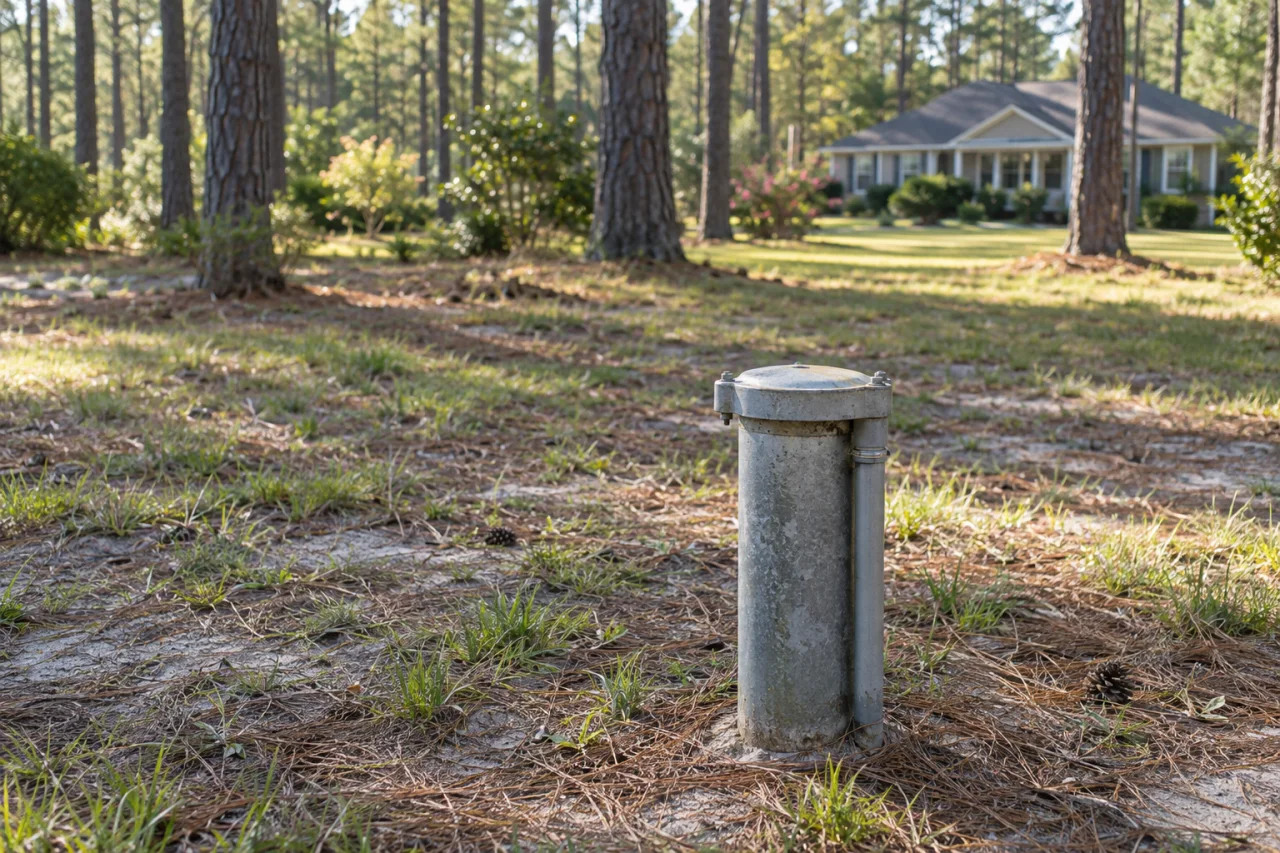
Private Well Testing in Moore County: What to Test and When
Start with annual indicators, then build in broader North Carolina testing reminders and additional tests based on your well's history, surroundings and changes.
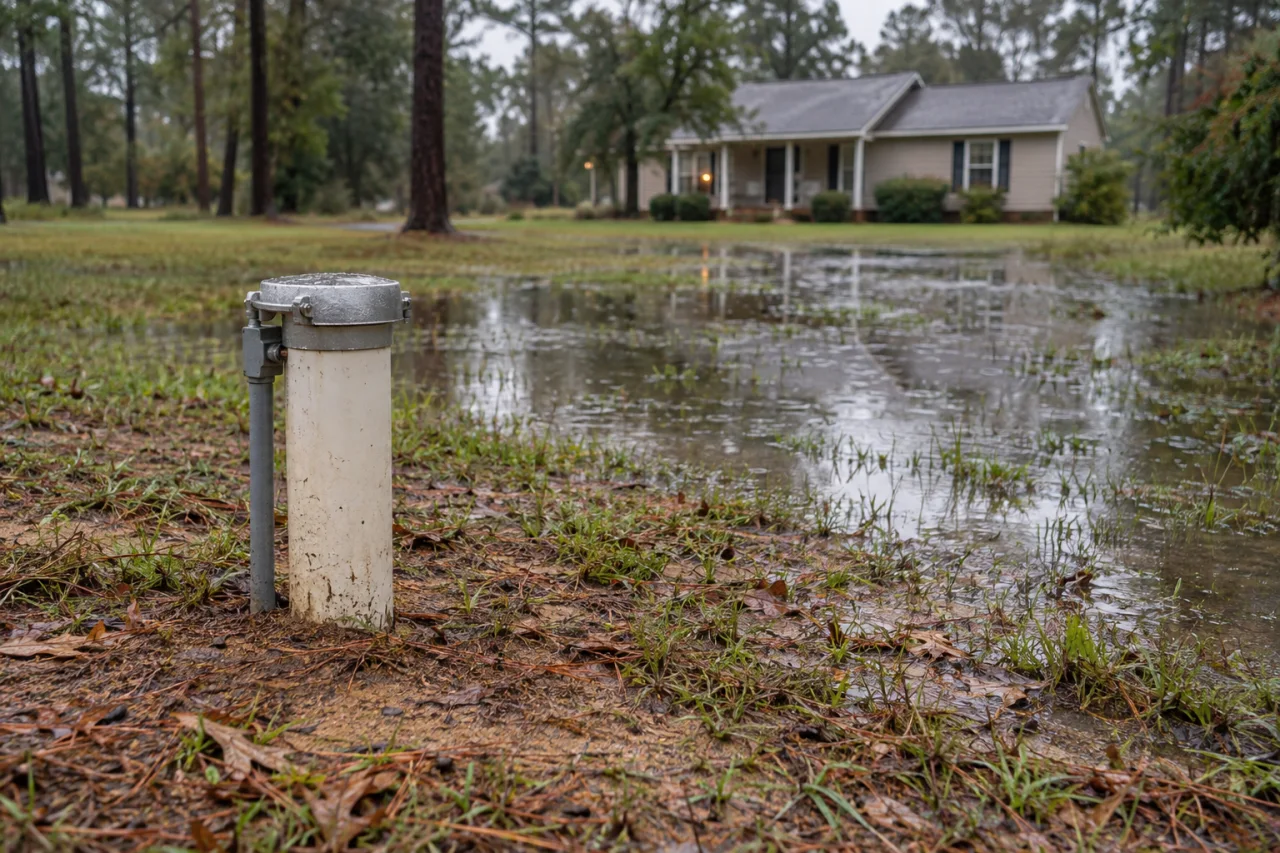
What Should You Do With Well Water After Flooding or a Power Outage?
A working pump does not establish water safety. Separate power loss from flood exposure, choose temporary water carefully, and use appropriate assessment and testing before resuming use.

How to Read Your Moore County Water Quality Report
Your utility report is a useful starting point—not a test of every faucet. Learn how to find the right Moore County report, interpret its numbers and decide what needs a closer look.