Practical guides · questions
What Should You Do With Well Water After Flooding or a Power Outage?
A working pump does not establish water safety. Separate power loss from flood exposure, choose temporary water carefully, and use appropriate assessment and testing before resuming use.
What you’ll learn
- A pumping outage, floodwater intrusion and a treatment interruption are different problems; assess each separately.
- Use an alternative water supply when contamination is suspected. Clear water is not proof of safety.
- Boiling addresses germs, not chemical contamination.
- Restored pressure or a restarted UV lamp does not replace appropriate inspection, testing and follow-up.
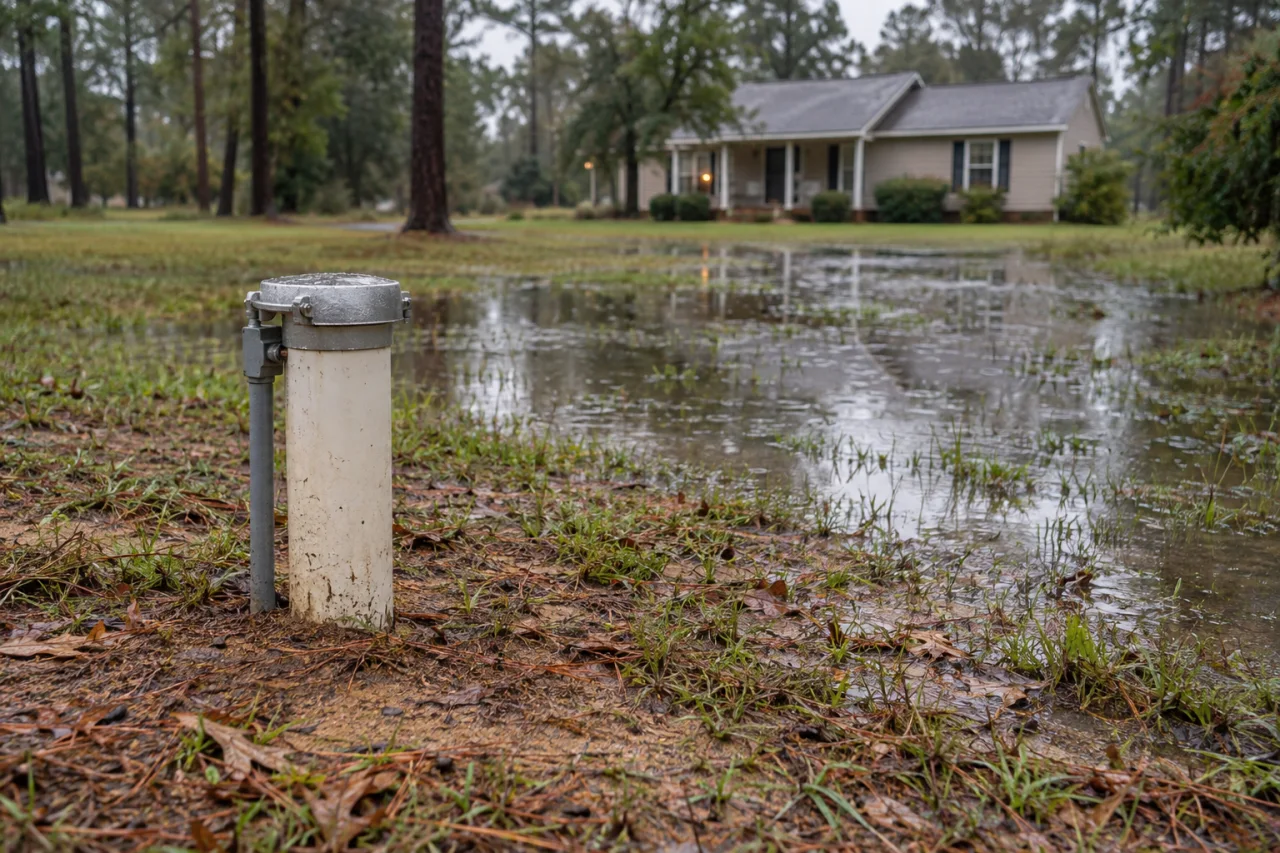
If floodwater may have entered your private well, stop drinking the water and use bottled water or another known-safe supply while arranging assessment and testing. If the electricity simply went out, first distinguish lost pumping power from damage or interrupted treatment. The return of running water is not a safety result. For households in West End and Moore County, that distinction helps organize the next steps without assuming every outage requires the same response. (ncdhhs.gov)
1. Separate a pumping problem from a contamination problem
An electric well pump stops pumping when its power supply fails, although some water may remain in the pressure tank and household lines. That explains why a faucet might run briefly and then stop. It does not, by itself, establish that floodwater entered the well. (ohid.ohio.gov)
Start by separating three questions: Did the well or its electrical equipment flood? Was the well or plumbing damaged? Did a treatment system stop protecting water that still reached the taps? These are different problems, and more than one can happen during the same storm. Use the comparison below to organize your next call—not to declare the water safe. (cdc.gov)
Different interruptions require different recovery decisions.
| Situation | What it can mean | Decision and limitation |
|---|---|---|
| Power loss without known flooding | Pumping stops; stored pressurized water is limited. | Assess pressure, damage and treatment interruption. Restored flow is not a water-quality test. |
| Flooding or suspected floodwater entry | The well may have received contaminated water. | Use an alternative supply and arrange well assessment and testing. |
| UV treatment loses power | Water passing through may not receive effective disinfection. | Follow model-specific restart and plumbing-disinfection instructions; a lit indicator is not clearance. |
2. Choose temporary water before troubleshooting
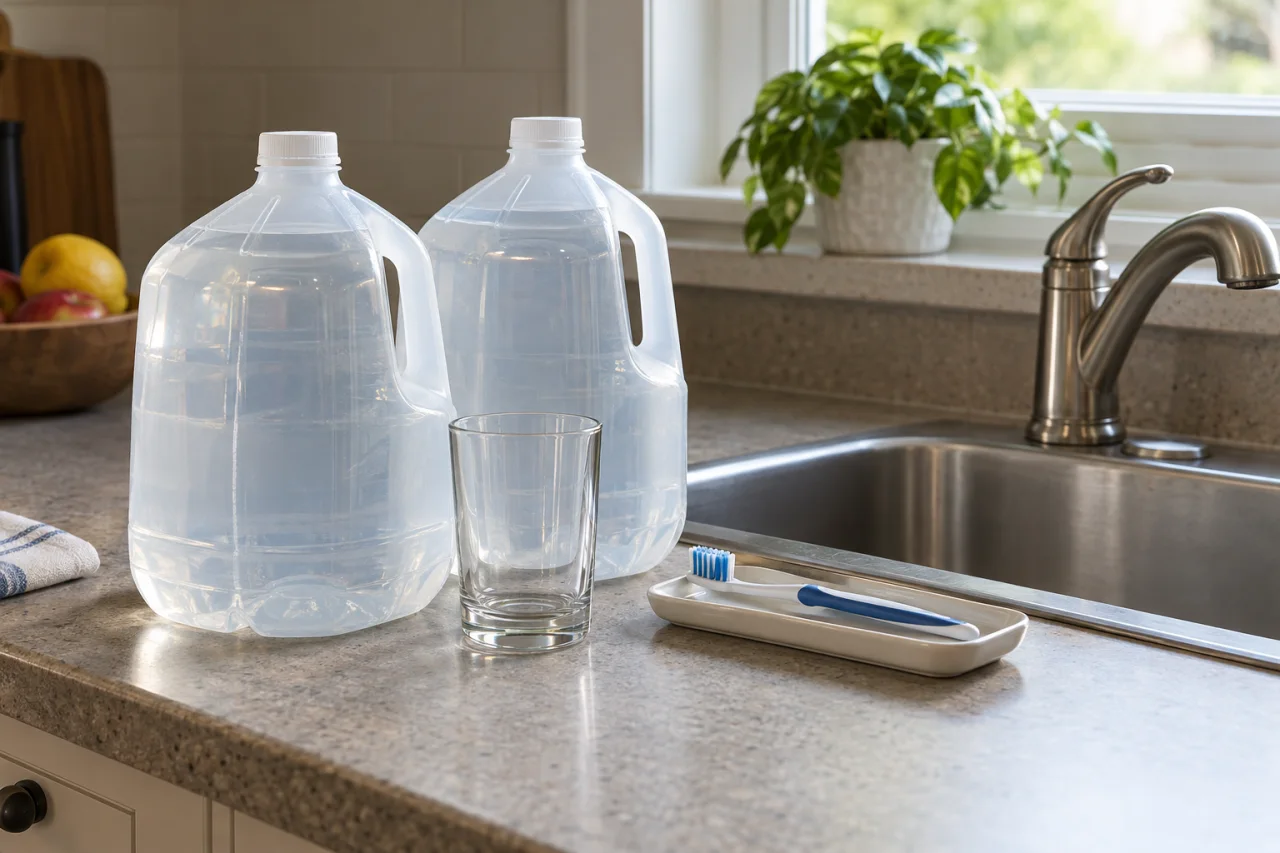
After extensive flooding, or whenever contamination is suspected, stop using the well for drinking and food preparation. NCDHHS recommends bottled water or stored reserves until the water has been tested. Bacterial contamination cannot reliably be detected by appearance, taste or smell. (ncdhhs.gov)
Account for less obvious uses: ice, toothbrushing, drink mixes and dishwashing also involve water exposure. Set aside a separate supply rather than relying on a refrigerator dispenser connected to the questionable well. EPA identifies drinking, cooking, prepared drinks, dishwashing and toothbrushing as uses requiring properly disinfected water. Chemical concerns require additional precautions, not disinfection alone. (epa.gov)
Tell everyone in the household which supply to use. Include visitors and anyone preparing food so that a running faucet is not mistaken for permission to drink.
3. Know when boiling is—and is not—an option
If the concern is microbial contamination and bottled water is unavailable, boiling can provide temporary protection against germs. EPA’s general emergency guidance calls for a rolling boil for at least one minute, or three minutes above 5,000 feet. Cool the water naturally and keep it in clean, covered containers. Follow local health instructions when they are more restrictive. (epa.gov)
Boiling is not a remedy for fuel, pesticides, heavy metals or other chemical contamination. CDC says chemically contaminated well water should not be used for any purpose because contact can also be hazardous. A fuel odor or a nearby chemical release warrants health-department advice and an alternative supply—not a longer boil. Removing visible sediment does not establish chemical safety. (cdc.gov)
4. Have flood-exposed equipment assessed before restarting
NCDHHS says not to turn pump electricity back on until floodwaters recede. Receding water is only the first condition: CDC recommends that a qualified electrician, well contractor or pump contractor check the wiring before power is restored. Do not enter a well pit or approach downed electrical lines. (ncdhhs.gov)
From a safe location, note what happened and what you can see: water around the wellhead, displaced components, debris or a flooded equipment area. Share those observations with the professional rather than opening electrical enclosures or attempting repairs. CDC recommends a well or pump contractor for post-disaster well disinfection because the work presents safety hazards. A generic bleach recipe is not a substitute for assessing the well and connected equipment. (cdc.gov)
5. Include treatment equipment in the recovery plan
Installed treatment is not proof that post-storm water is suitable. CDC emphasizes that no single treatment type protects against every water problem; the treatment must match the contaminant. A familiar filter or softener should not be treated as emergency clearance. (cdc.gov)
For UV Water Systems, identify the model and follow its instructions. VIQUA’s referenced manual requires a warm-up period after power interruptions and explains that downstream plumbing must be disinfected after the UV system has been inoperative. Restarting the lamp does not undo earlier downstream contamination. Do not assume that every installation automatically blocks flow during a power failure. (viqua.com)
Ask how well disinfection will affect connected treatment. CDC warns that strong chlorine used for well disinfection can damage softeners and directs owners to manufacturer-specific instructions. Coordinate bypassing, sanitation and recommissioning rather than improvising around individual pieces of equipment. (cdc.gov)
6. Match the sample and test panel to the concern
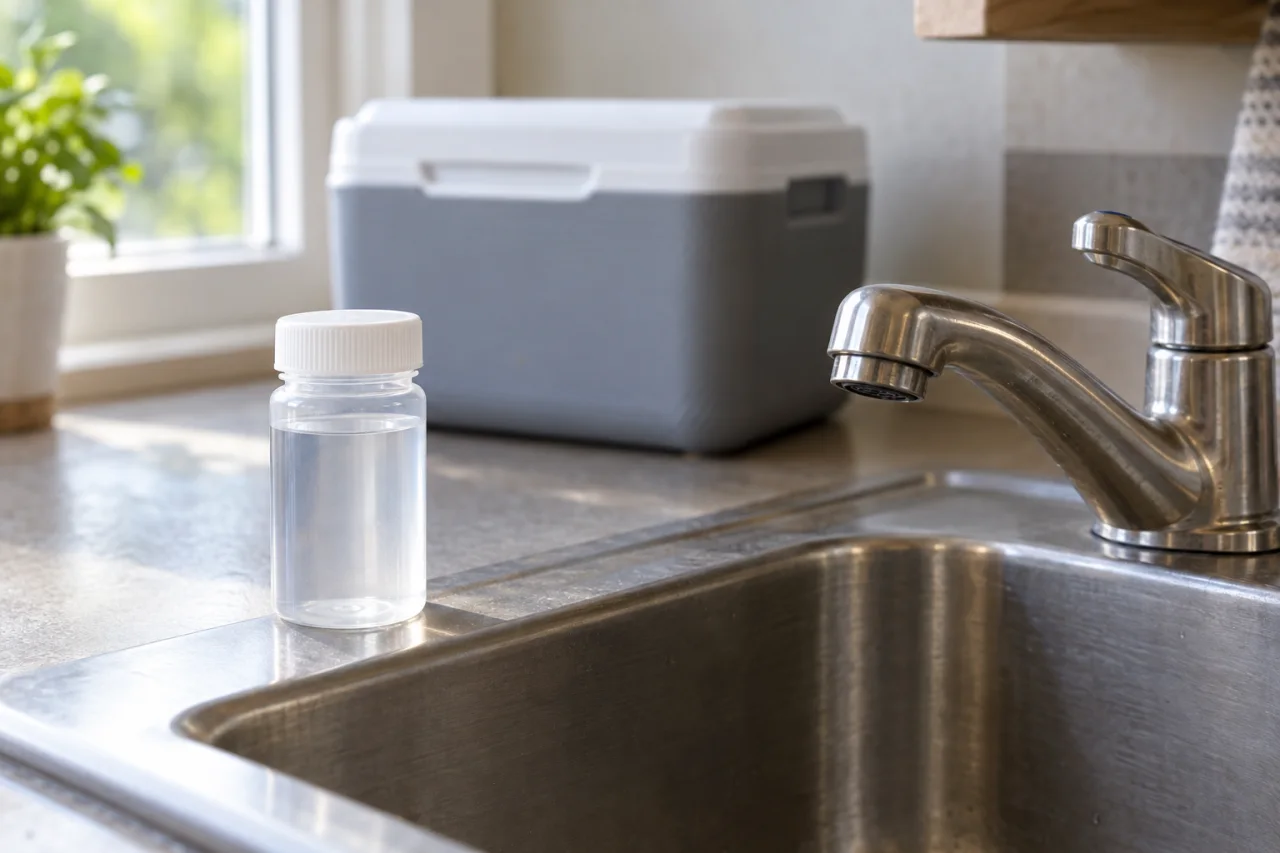
Arrange Water Testing around the event, not simply around taste or hardness. CDC recommends a state-certified laboratory. Ask for the laboratory’s bottles and collection instructions before taking a sample; understanding the testing steps helps you prepare for collection and interpretation. (cdc.gov)
Post-disinfection bacterial testing should include total coliform and either E. coli or fecal coliform, according to CDC. Chemical testing is a separate decision. Tell the health department about nearby fuel releases, pesticide use or industrial sources so it can advise on additional testing. A bacteria result cannot answer a chemical question. (cdc.gov)
Before agreeing to testing, ask which contaminants are included, where samples should be collected and who will interpret the findings. Targeted questions are more useful than assuming a package described as a water test covers every possible concern. (cdc.gov)
7. Use results, not restored flow, to decide when to resume
Resume use based on the problems identified and the evidence that they have been addressed—not because pressure returned or the water cleared. CDC advises treating contaminated water and then testing to confirm that treatment worked. If both bacterial and chemical concerns exist, resolve both before treating a bacteria-only result as clearance. (cdc.gov)
Keep follow-up testing on the calendar. CDC’s post-disinfection guidance calls for additional tests in 2–4 weeks and again in 3–4 months. Coordinate the schedule with the health department, particularly if contamination recurs. (cdc.gov)
Save the laboratory reports, repair information and treatment instructions together. They give the next person assessing the well a clearer history than a recollection that it was tested after the storm.
8. Prepare a clear handoff and a follow-up plan
Once the immediate issue is resolved, return to routine monitoring. CDC recommends annual testing for total coliform, nitrates, total dissolved solids and pH, with additional testing after flooding, well repairs or changes in water quality. Our guide to private well testing in Moore County explains the broader planning questions. (cdc.gov)
The Water Knight provides Water Testing and UV Water Systems for West End and Moore County homes and businesses, with water treatment visits by arrangement. When discussing an assessment, explain whether the event involved flooding, power loss or both. For flood-damaged wells, electrical hazards or suspected chemical contamination, involve the appropriate well professional and health department alongside any treatment discussion. (cdc.gov)
- Record whether flooding reached the wellhead or treatment area, without entering an unsafe location.
- Identify each treatment model and whether water was used while it lacked power.
- Ask which inspection, sampling and treatment tasks require separate professionals.
- Confirm the restrictions that remain in place while results are pending.
Questions & answers
Does every power outage mean my well is contaminated?
No. An outage can interrupt pumping without establishing that contamination occurred. The important questions are whether flooding or damage occurred, whether pressure was lost, and whether treatment stopped while water continued to flow. Ohio public-health guidance explains that only limited water remains in the pressure tank and lines when the pump cannot operate. (ohid.ohio.gov)
Can I shower or wash clothes with contaminated well water?
Do not assume non-drinking uses are acceptable. NCDHHS advises against bathing, washing clothes or washing dishes with bacterially contaminated well water. CDC advises against any use of chemically contaminated well water. Ask the health department which restrictions apply to your situation. (ncdhhs.gov)
Will boiling remove fuel, pesticides or other chemicals?
No. Boiling kills germs but does not remove chemical contamination. If fuel or chemicals are suspected, use bottled water and contact the health department rather than trying to make the well water usable by boiling it. (epa.gov)
How soon after well disinfection should I test?
CDC recommends waiting at least 7–10 days after disinfection so chlorine has been thoroughly flushed. Coordinate collection with your health department or laboratory, and continue using an appropriate alternative supply while awaiting clearance. (cdc.gov)
Does a normal UV indicator mean the whole plumbing system is safe?
Not by itself. Restarting UV treatment does not disinfect water or plumbing already downstream. The applicable VIQUA manual calls for distribution-system disinfection after interruptions; follow your own model’s instructions and obtain advice about testing before resuming use. (viqua.com)
Sources & further reading
- NCDHHS: How to Keep Wells Safe Before and After Flood
North Carolina flood precautions, alternative water, exposure restrictions, laboratory collection instructions and additional testing near chemical sources.
- CDC: How to Disinfect Wells After an Emergency
Professional well disinfection, electrical safety, treatment-equipment cautions, post-disinfection bacterial tests and follow-up timing.
- EPA: Emergency Disinfection of Drinking Water
Emergency household water uses, boiling instructions and the limits of boiling or disinfection for chemicals.
- CDC: Guidelines for Treating Well Water
Contaminant-specific treatment, avoiding chemically contaminated water and testing after corrective treatment.
- CDC: Guidelines for Testing Well Water
State-certified laboratories, annual testing, event-triggered testing and selecting tests with health-department guidance.
- VIQUA Owner’s Manual, 520189-R
Model-specific UV restart precautions and downstream plumbing disinfection after treatment interruptions.
- Ohio Department of Health: Power Outages and Private Water Systems
Loss of pumping during electrical outages and the limited water remaining in pressure tanks and lines.
Prepared and automatically checked on . Conditions, costs and requirements can change. Ask about the details that apply to your situation.
Continue reading
Helpful next reads
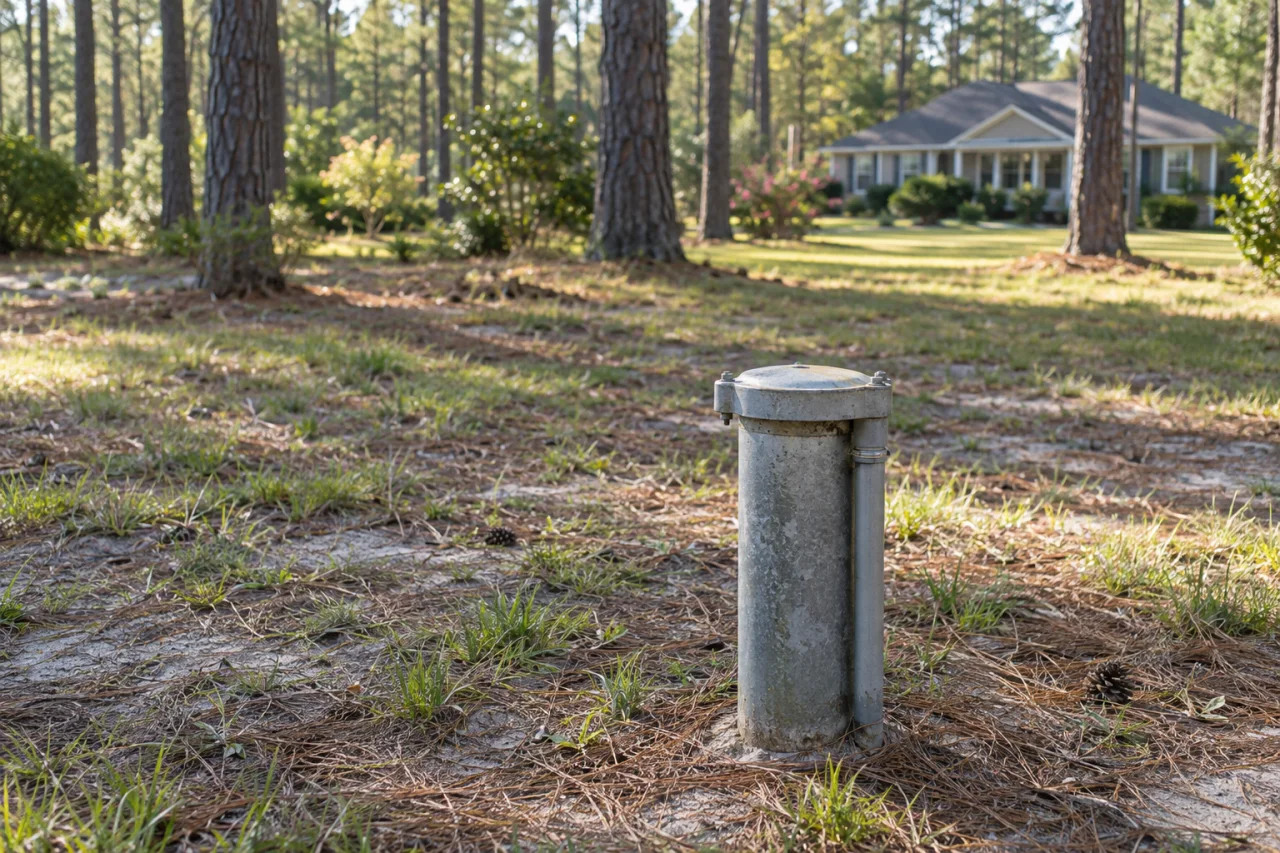
Private Well Testing in Moore County: What to Test and When
Start with annual indicators, then build in broader North Carolina testing reminders and additional tests based on your well's history, surroundings and changes.
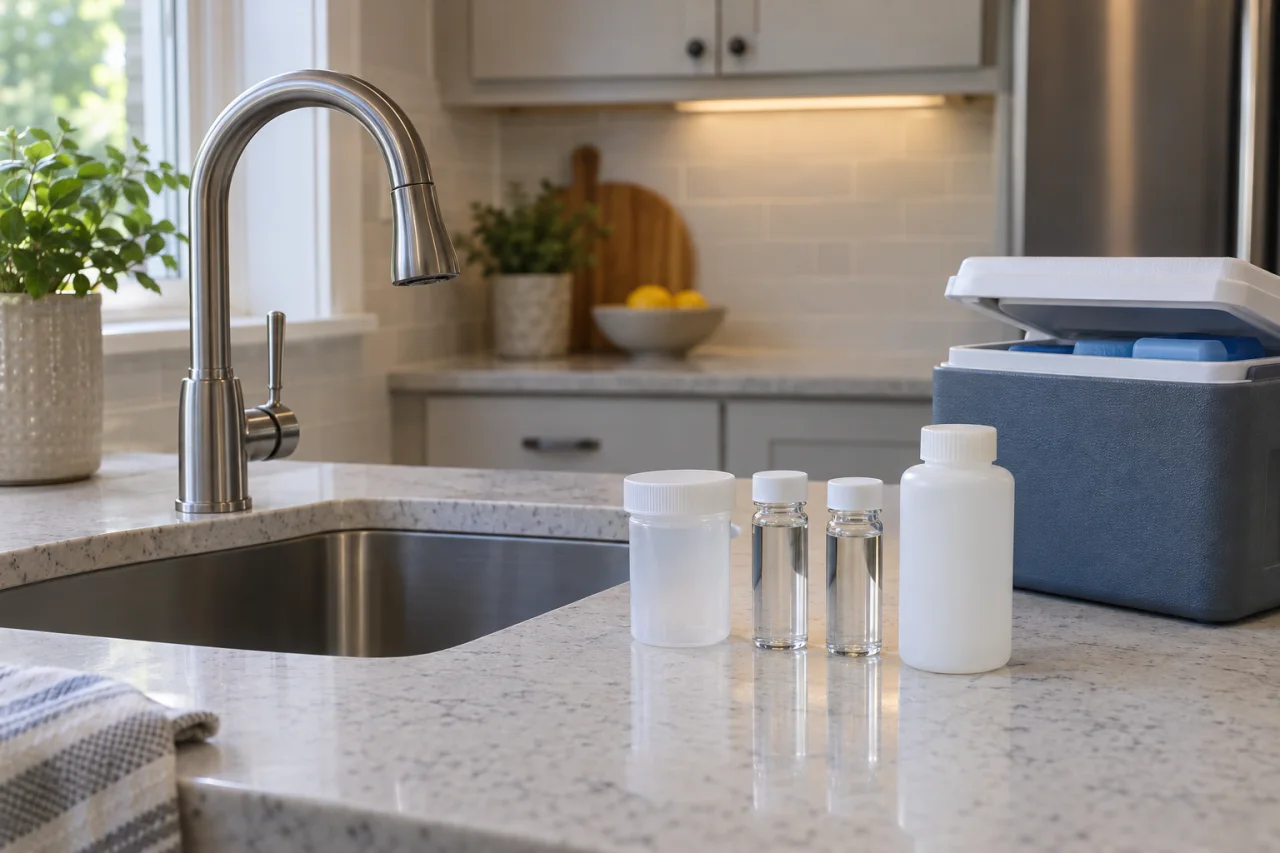
From Water Sample to Treatment Plan: Understanding the Testing Steps
A useful water test starts before the bottle is filled. Learn how panel selection, sampling conditions and laboratory reporting shape a practical treatment decision.

How to Read Your Moore County Water Quality Report
Your utility report is a useful starting point—not a test of every faucet. Learn how to find the right Moore County report, interpret its numbers and decide what needs a closer look.