
Practical guides · cost
What Drives the Cost of Whole-House Water Filtration?
Two whole-house filtration proposals may solve different problems. Compare water results, treatment flow, installation requirements and replacement expenses before choosing.
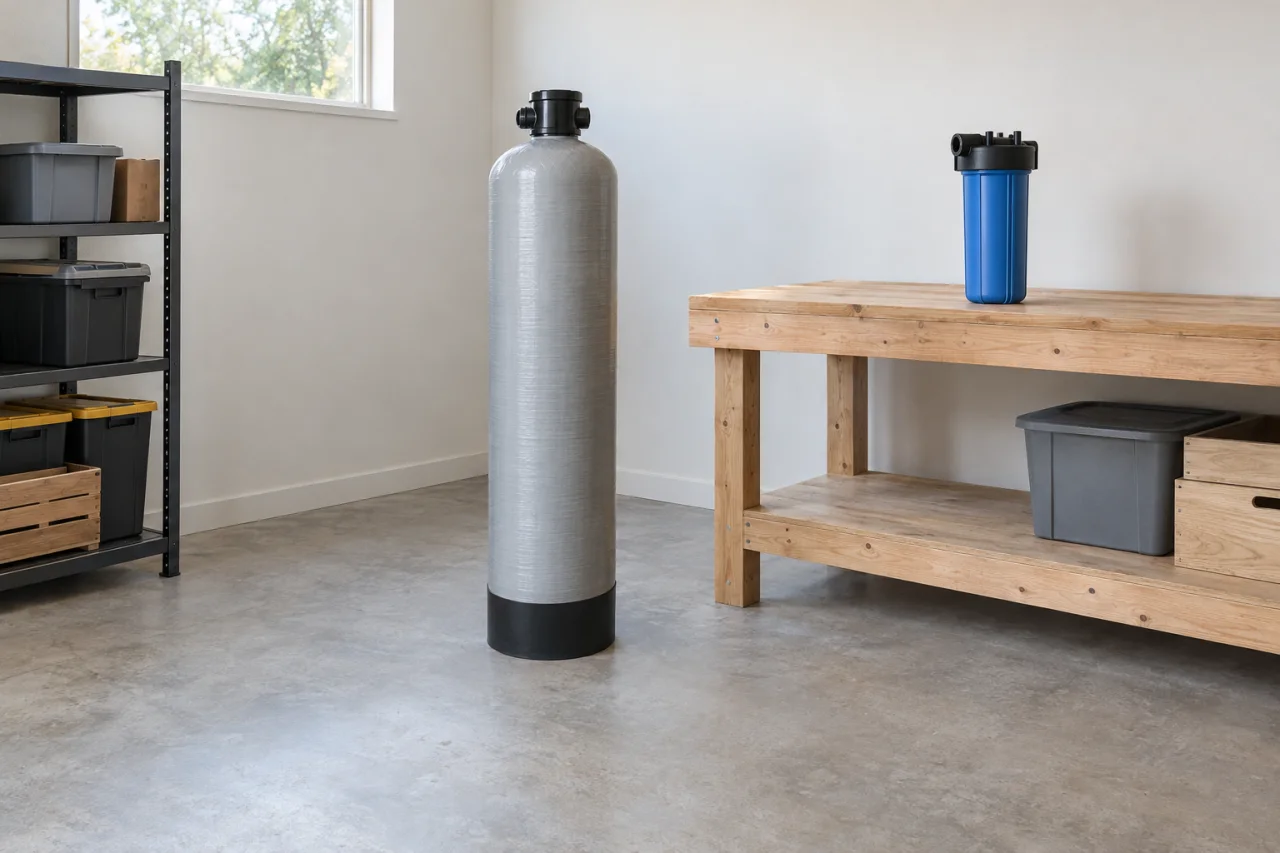
What you’ll learn
- Compare proposals against the same water findings and treatment goals.
- Ask which flow rating supports treatment performance, not just maximum throughput.
- Separate equipment from plumbing, drain and electrical work where applicable.
- Request replacement requirements and operating-cost assumptions in writing.
- A lower installation total is not necessarily a lower ownership cost.
Two proposals can both say whole-house filtration yet describe very different purchases. Equipment type, treatment capacity, pretreatment and installation all affect cost, while maintenance adds a separate ownership expense. Penn State Extension identifies these as important buying considerations. (extension.psu.edu)
For homeowners in West End and across Moore County, the useful question is not simply which quote is cheaper. It is whether both proposals solve the same problem, include the same work and explain what you will need to maintain. Here is how to make that comparison without relying on a misleading universal price.
1. Start with the water results, not a package name
Start with the problem the proposal is supposed to solve. Visible sediment, chlorine taste, hardness and a laboratory-confirmed contaminant are different treatment goals. A system selected for one should not be assumed to address the others. EPA recommends identifying treatment goals from water-quality information before selecting equipment. (epa.gov)
For a Moore County home, first establish whether the supply is a private well or a public water system. Bring relevant laboratory results or the utility's water-quality report to the discussion. Water Testing can help inform the treatment conversation, but ask which analyses are appropriate for your concern rather than assuming one screening covers everything.
A useful proposal connects each recommended component to a finding or a clearly stated preference. Ask: What result supports this component, what will it change, and what remains outside its scope? NSF emphasizes that contaminant-reduction capabilities vary by product. (nsf.org)
2. Media selection and pretreatment change the scope
The material inside a filter helps determine both its purpose and its upkeep. A sediment cartridge traps suspended particles. Activated carbon can address selected taste, odor and contaminant concerns, depending on the product. Other water conditions may call for different media or a combination of technologies. The water treatment options guide explains those distinctions in more detail. (extensionpubs.unl.edu)
Pretreatment can explain an apparently expensive extra stage. Sediment filtration, for example, may protect downstream carbon or reverse osmosis equipment. However, a sediment cartridge alone does not generally resolve dissolved-contaminant concerns. Ask what each stage contributes and whether it is necessary under your measured conditions. (extensionpubs.unl.edu)
Also request the exact model and its relevant certified claims. A certification mark is not a promise that a system treats every contaminant. Verify the specific product and claim through the certification body's listing, not just a brochure headline. (nsf.org)
3. Compare treatment flow, not just tank size
Daily water consumption and simultaneous demand are different questions. Ask the provider to explain how the proposed system relates to occasions when showers, laundry and other fixtures operate together. For cartridge filtration, Nebraska Extension recommends considering flow at household pressure, water quality and the amount treated before maintenance. (extensionpubs.unl.edu)
Be careful with the word peak. Water-Right's filter manual lists service flow, peak flow and backwash flow separately; some listed peak ratings are not tested treatment-performance ratings. Ask which rating supports the proposed water-quality result, rather than treating the largest advertised number as the design target. (water-right.com)
The comparison question is practical: Are both proposals sized for the same household demand, and under what operating conditions? A bigger tank is not automatically a better purchase; EPA cautions that oversizing can increase purchase, operating and maintenance costs. (epa.gov)

4. Separate the filter from the work needed to install it
Equipment cost is only part of installation. The proposed location, connection work and access can change the scope. Ask where the equipment would sit, how it would connect to the incoming supply, and whether there is usable space for future service. These are planning questions, not assumptions about what your home requires. (extension.psu.edu)
Drain and electrical work are equipment-specific. Water-Right's automatic filter manual, for example, specifies an electrical supply and a drain capable of handling backwash flow. It also addresses secured drain piping and protection against wastewater backflow. Those requirements should not be transferred automatically to every filtration design. (water-right.com)
Ask each bidder to identify any drain route, outlet work or plumbing alterations in writing, along with exclusions. If a backwashing system is proposed, clarify discharge suitability before comparing the installed totals. (water-right.com)
5. Decide where treatment is actually needed
Whole-house treatment serves water throughout the building; point-of-use treatment serves a selected location. If the objective concerns drinking and cooking water, compare whole-house or under-sink filtration before committing to treatment for every household use. Conversely, a kitchen-only system does not treat water supplied to showers or laundry. (epa.gov)
Ask each proposal to distinguish essential treatment from optional improvements. A filter, softener and disinfection unit perform different jobs, even when sold together. Their inclusion should have a reason that matches your water and goals, rather than making a package look more complete. No single treatment technology addresses every possible concern. (epa.gov)
This makes comparisons fairer: a modest point-of-use proposal and a multi-stage whole-house proposal are not competing prices for the same result.
6. Put operating expenses on a separate page
Request a separate ownership-cost summary rather than treating the installation total as the full expense. Depending on the selected equipment, that summary may include replacement cartridges, media service, cleaning, backwash water, electricity and professional maintenance. Penn State Extension advises considering operating requirements and obtaining written maintenance terms. (extension.psu.edu)
For each consumable, ask for its exact replacement identity, current cost and replacement trigger. Is replacement based on elapsed time, treated volume, water conditions or another manufacturer requirement? NSF explains that filter capacity represents the volume treated before replacement and that adsorption media can become exhausted without an obvious flow change. (info.nsf.org)
Keep routine purchases separate from occasional service expenses. A low cartridge price means little without its replacement frequency; a longer interval means little without the conditions supporting it. Ask for the assumptions behind any annual estimate, including household use and what labor is included. (extension.psu.edu)
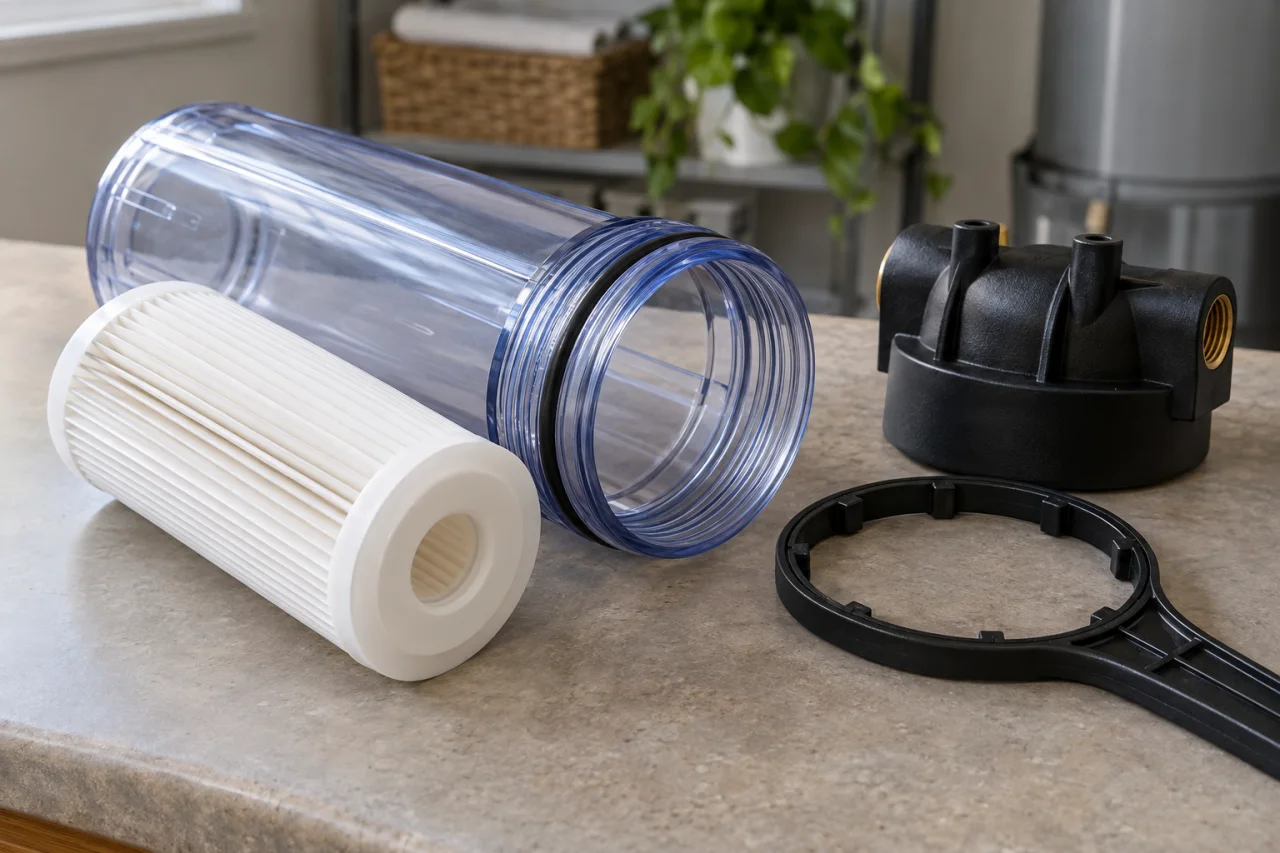
7. Use a quote-comparison checklist
Use this checklist to request clarification, not to insist that every home needs every item. A simple cartridge installation and an automatic backwashing system can have legitimately different requirements. Penn State Extension recommends multiple estimates and written warranty and maintenance terms; manufacturer instructions establish equipment-specific installation needs. (extension.psu.edu)
Keep one-time installation charges, recurring consumables and optional services in separate groups. Where an item is excluded, ask who would arrange it. The goal is a comparable scope, not merely a matching bottom line. (extension.psu.edu)
- Treatment goal: Do both proposals address the same findings and desired improvements?
- Equipment: Are exact models, treatment media and applicable reduction claims identified?
- Capacity: What treatment flow and household-demand assumptions support the selection?
- Installation: Are connections, bypass provisions, access needs and any plumbing alterations included?
- Utilities: Are drain and electrical requirements identified where applicable, with responsibility for that work?
- Consumables: What replacement parts are required, what triggers replacement, and what do they currently cost?
- Service: What maintenance, follow-up testing, labor and warranty terms are included or excluded?
8. Choose a clear scope, not simply the lowest total
The most useful proposal explains why the treatment fits, what the installation includes and what ownership will require. An unexplained extra stage deserves a question; so does a low total that leaves maintenance or site work unclear. Written scope and maintenance terms help make those differences visible. (extension.psu.edu)
The Water Knight provides Water Filtration for homes and businesses throughout Moore County. To begin a practical conversation, gather available water results, describe what you have noticed and identify your treatment priorities. The supplied service approach is to discuss those observations, arrange an appropriate assessment and review proposed work before proceeding. Water treatment visits are by arrangement.
Questions & answers
Why can two whole-house filtration quotes be so different?
They may address different water problems, treatment capacities, pretreatment needs or installation conditions. Compare the written scope and maintenance obligations before comparing totals. Penn State Extension identifies equipment type, size, pretreatment and installation as major cost variables. (extension.psu.edu)
Does every whole-house filter need electricity and a drain?
No. Requirements depend on the equipment. An automatic backwashing system may need both, while a simple cartridge housing may need neither for operation. Have the proposal identify the applicable manufacturer's requirements rather than assuming all systems have the same site needs. (water-right.com)
Will a sediment filter also remove dissolved contaminants?
Not generally. Sediment filters capture suspended particles, but they are not a substitute for treatment selected for dissolved chemicals or microbial concerns. Additional treatment should follow the actual water results. (extensionpubs.unl.edu)
Can I wait until the water tastes different to replace a filter?
Do not use taste as the replacement schedule. Follow the manufacturer's instructions and applicable capacity limit. Adsorption media can become exhausted without an obvious reduction in flow. (info.nsf.org)
Is whole-house treatment always the better investment?
No. Where treatment is needed matters as much as the equipment. A drinking-water concern may call for treatment at a selected tap; a problem affecting water throughout the home may justify a broader system. Compare those scopes before purchasing. (epa.gov)
Sources & further reading
- Penn State Extension: Tips for Buying Water Treatment Equipment
Equipment type, sizing, pretreatment and installation as cost factors; multiple estimates and written maintenance and warranty terms. Published price examples are not used.
- EPA: WaterSense Guide to Selecting Water Treatment Systems
Treatment-goal planning, whole-house versus point-of-use scope, technology limitations, oversizing and maintenance considerations.
- NSF: Water Filters FAQs
Product-specific treatment claims, verification of certification and following manufacturer replacement instructions.
- Water-Right: Impression Series and Impression Plus Series Water Filters Installation Instructions & Owner’s Manual
Manufacturer-specific distinctions among service, peak and backwash flow; electrical, drain, access and installation requirements. These examples do not establish equipment offered by The Water Knight.
- University of Nebraska–Lincoln Extension: Drinking Water Treatment—Sediment Filtration
Sediment filtration capabilities and limitations, pretreatment applications, and selection based on flow, pressure and maintenance needs.
- NSF: Certified Product Listings for Lead Reduction and Filter-Use Guidance
Rated filter capacity, correct replacement elements, replacement timing and why exhausted adsorption media may not cause an obvious flow change.
Prepared and automatically checked on . Conditions, costs and requirements can change. Ask about the details that apply to your situation.
Continue reading
Helpful next reads

Carbon, Resin, Membranes and Mineral Media: A Water Treatment Options Guide
The material inside a treatment system determines its job. Compare carbon, resin, membranes and mineral media by water results, flow needs, upkeep and discharge.
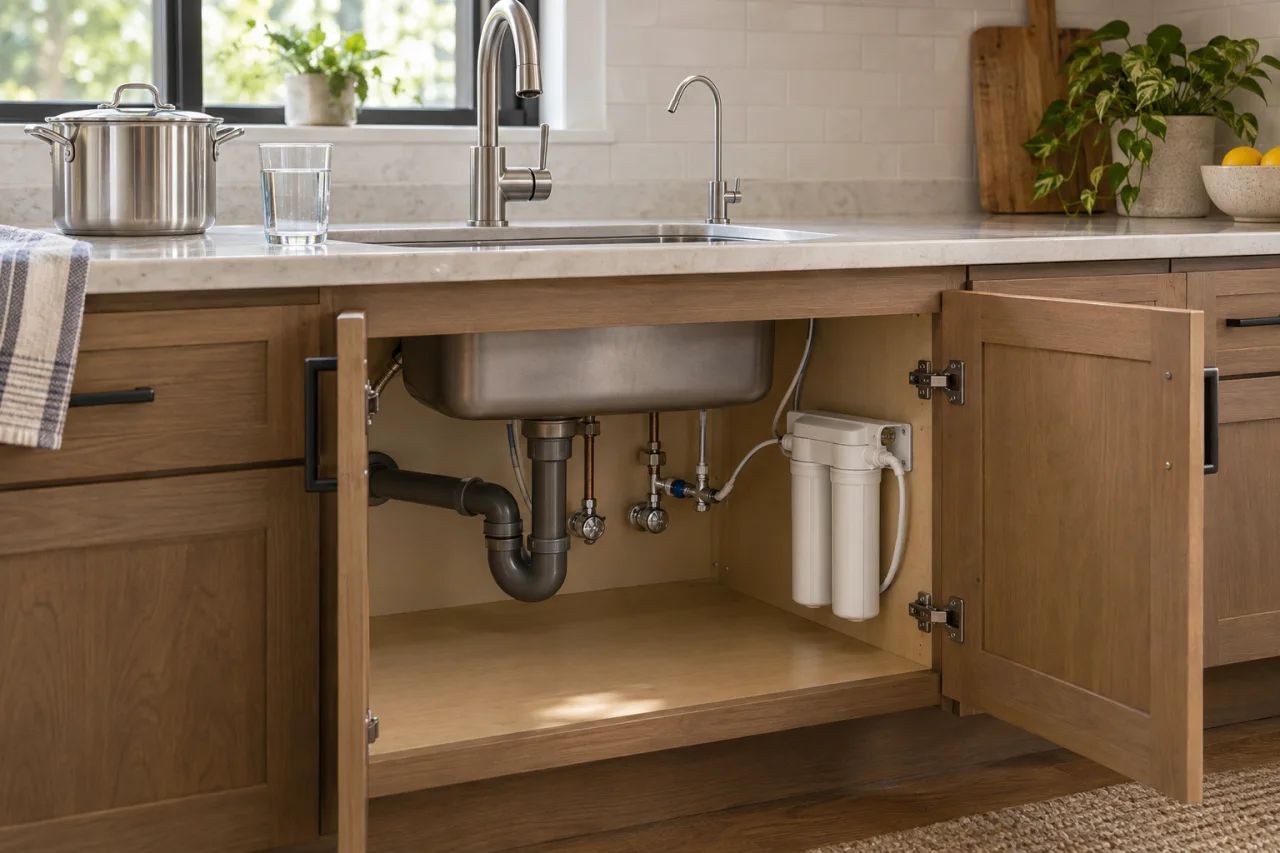
Whole-House or Under-Sink Filtration: Where Should Treatment Happen?
Whole-house treatment is not automatically the better choice. Compare where water is used, what needs reducing and how much maintenance each option requires.
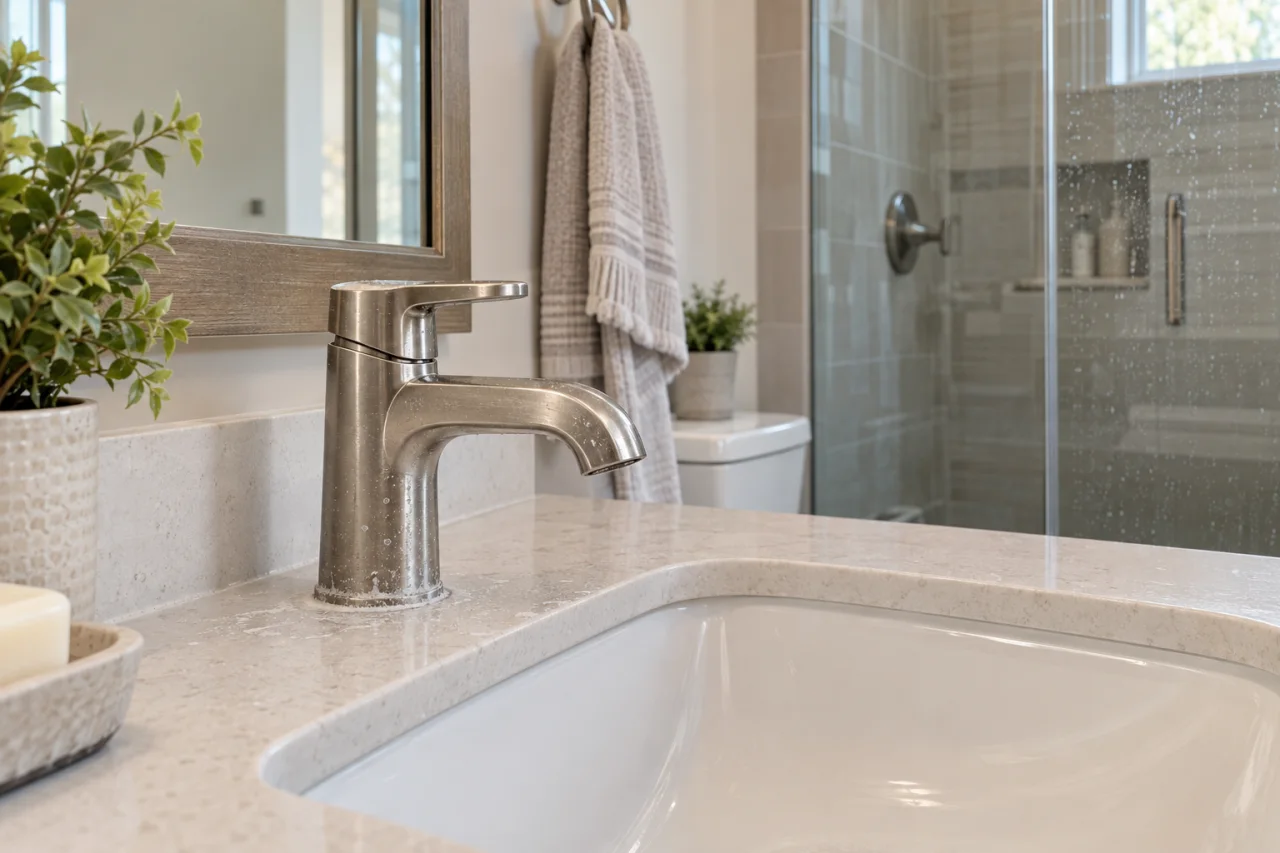
Water Softening vs. Salt-Free Scale Control: What Actually Changes?
A salt-free scale-control device is not simply a softener without the salt. Learn which results each approach can deliver—and what to check before choosing.